







Is Virtual Twin Worth the Investment? Where Does ROI Come From and How Can It Be Measured?
Virtual Twin goes beyond simulation. Discover how businesses can reduce prototypes, rework and testing costs while accelerating Time-to-Market to achieve measurable ROI.
Virtual Twin is often associated with the ability to simulate products, processes, and systems in a virtual environment. But for businesses, the more important question is not simply what the technology can simulate, but:
How can investing in Virtual Twin create measurable business value?
The value goes beyond “better simulation.” Virtual Twin can help companies reduce physical prototypes, identify issues earlier, minimize rework, and shorten time-to-market.
These are also some of the key areas where Virtual Twin can generate ROI.
What Are Virtual Twin and ROI?
What is Virtual Twin?
Virtual Twin can be understood as a virtual representation of a product, process, or system that enables companies to simulate and evaluate how it behaves under different conditions.
Unlike a 3D model that primarily represents geometry, Virtual Twin combines data with engineering simulation (CAE) to help engineers answer questions such as: Does the design meet technical requirements? What happens if the material is changed? Which design option performs better before a physical prototype is built?
This allows more decisions to be tested and validated virtually before they are implemented in the real world.
What is ROI?
ROI (Return on Investment) is a metric used to evaluate the value generated relative to the resources invested.
For Virtual Twin, ROI does not necessarily come from direct revenue alone. Business value can also be created by:
- Reducing costs: Prototyping, testing, and rework.
- Saving time: Design, simulation, and validation.
- Reducing risk: Identifying potential issues before production.
- Improving efficiency: Evaluating more alternatives before making decisions.
So, how does Virtual Twin turn these improvements into measurable value?
1. Reduce Prototypes and Testing Costs
In a traditional product development process, a design may go through multiple iterations:
Design → Prototype → Testing → Issue Detection → Modification → Retesting
Each iteration requires additional materials, engineering resources, and time. For complex products in particular, an issue discovered only after a prototype has been completed can lead to significant modification costs.
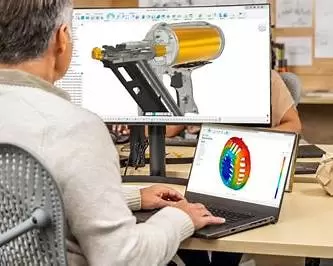
Virtual Twin helps move part of this process into a virtual environment. Through CAE simulation and analysis solutions, engineers can evaluate product behavior, adjust parameters, and compare multiple alternatives before building physical prototypes.
ROI can be generated through:
- Fewer physical prototypes.
- Lower testing and modification costs.
- More design alternatives evaluated before the final design is selected.
The goal is not necessarily to test less, but to test more virtually before committing resources to physical testing.
2. Identify Issues Earlier and Reduce the Cost of Change
An issue discovered while a product is still being designed is generally easier to address than one identified after the prototype has been completed, tooling has been prepared, or production is about to begin.
Virtual Twin helps move evaluation earlier in the development process.
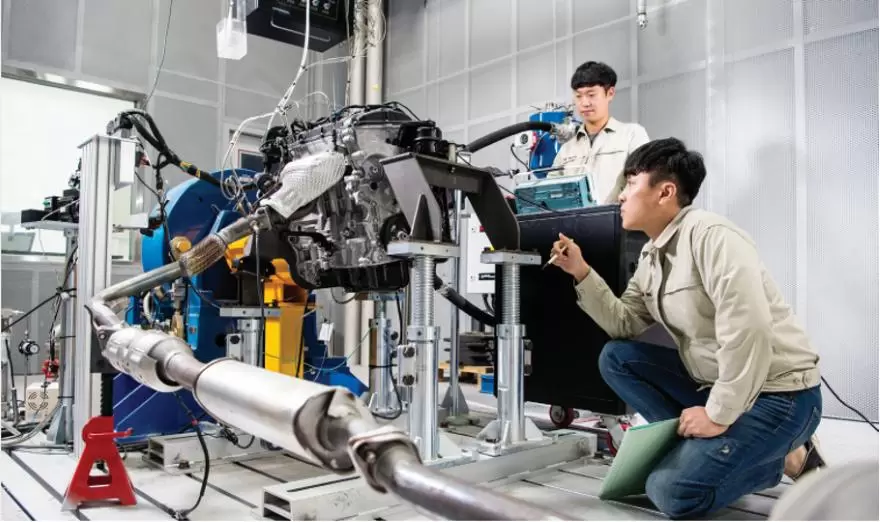
Instead of waiting for a physical prototype to evaluate strength, thermal behavior, vibration, or performance, engineers can use SIMULIA to assess product behavior and performance while the design is still being developed.
ROI can come from:
- Less engineering rework.
- Fewer costly late-stage changes.
- Lower risk of changes affecting tooling and production.
- Reduced risk of delays caused by issues discovered too late.
Virtual Twin therefore does more than improve simulation. It helps companies identify and address issues at a stage when changes are still easier and less costly to manage.
3. Shorten Development Cycles and Improve Time-to-Market
ROI is not only about reducing costs. Time itself has business value.
When Design and Simulation operate separately, even a small geometry change can trigger another cycle of data updates, simulation runs, result reviews, and design modifications.
This is also one of the common areas businesses overlook when trying to shorten product development time: optimizing individual tools does not necessarily make the overall process faster if data and downstream processes remain disconnected.
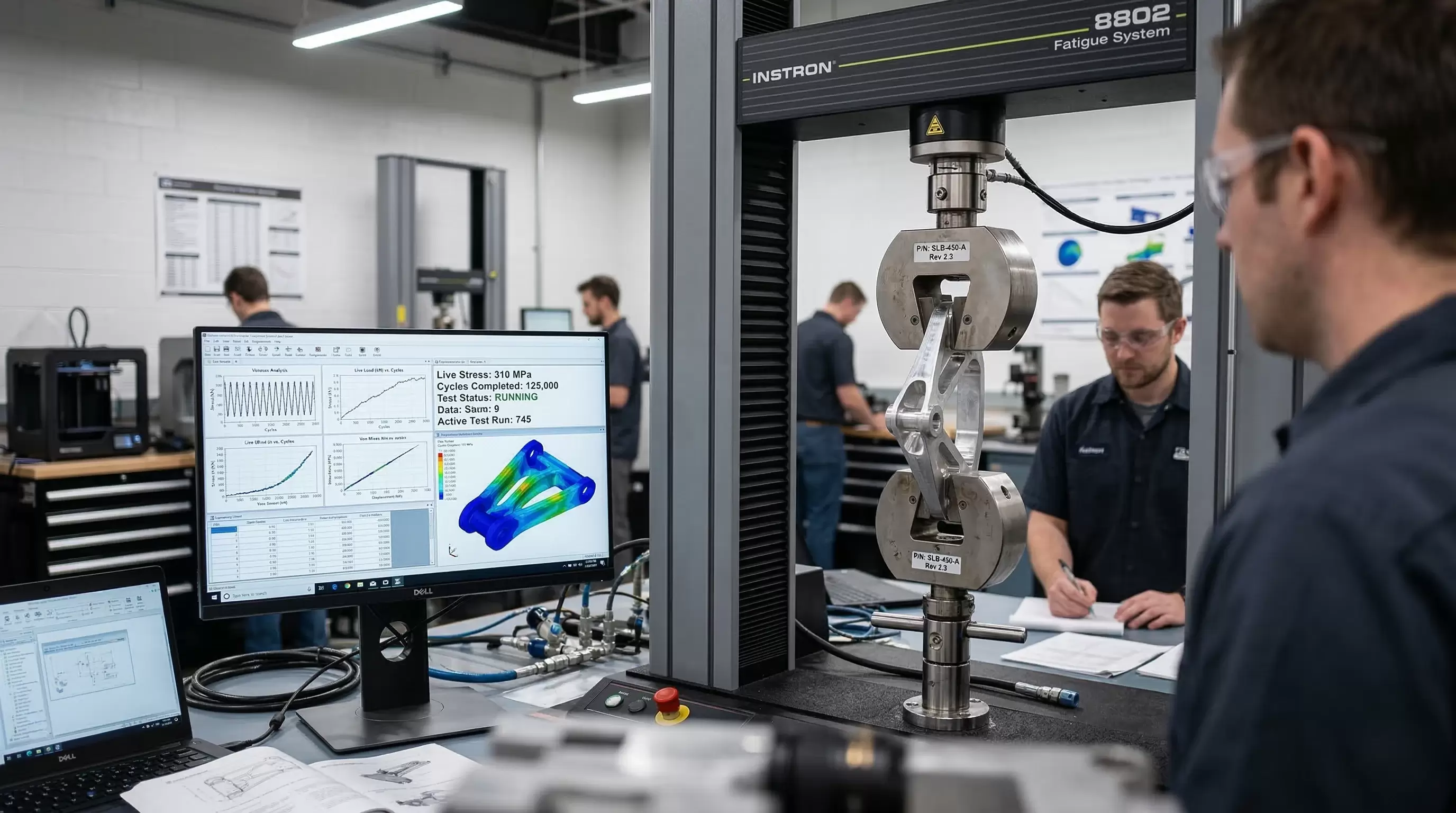
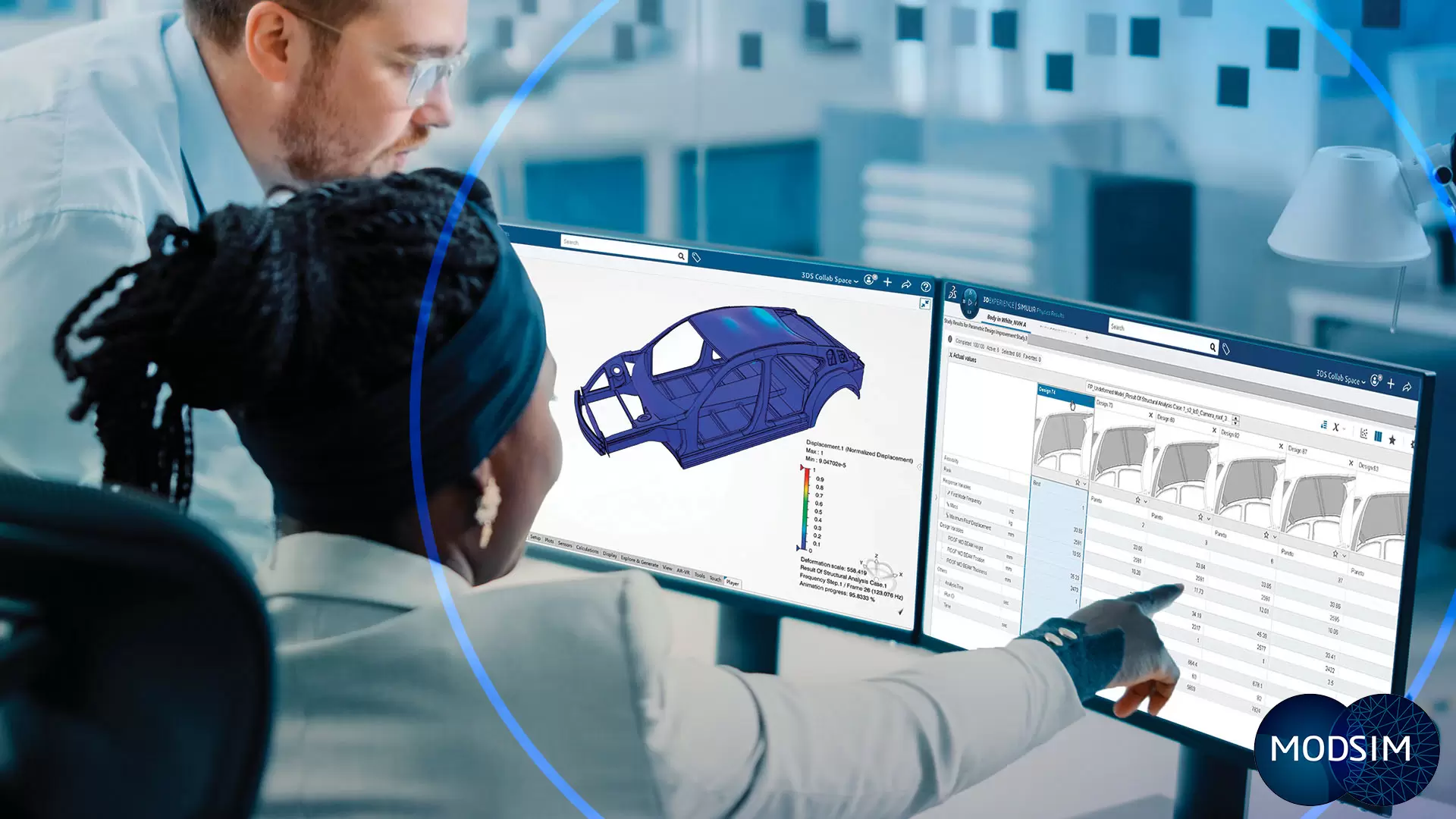
With a MODSIM (Modeling & Simulation) approach on the 3DEXPERIENCE platform, design and simulation can be connected within a more continuous workflow. Engineers can evaluate the impact of design changes earlier while reducing unnecessary data transfers between Design and Simulation.
Potential business benefits include:
- Shorter Design–Simulation iterations.
- Reduced product development time.
- Faster response to changing customer requirements.
- A greater ability to bring products to market on or ahead of schedule.
When development speed directly affects competitiveness, Time-to-Market becomes an important part of ROI.
How Should Virtual Twin ROI Be Measured?
There is no single ROI figure that applies to every company.
A company with high prototyping costs will have different priorities from one that spends significant engineering hours on repeated design iterations. Before implementation, businesses should therefore establish a current baseline and select relevant metrics to track.
Three areas can provide a practical starting point:
- Cost: Prototype, testing, rework, and engineering change costs.
- Time: Validation time, development lead time, and the number of Design–Simulation iterations.
- Engineering efficiency: Number of alternatives evaluated, percentage of issues identified before prototyping, and the ability to reuse existing data.
After implementation, these metrics can be compared against the original baseline to determine where Virtual Twin has created value and how much improvement has been achieved.
ROI should therefore begin not with an expected number, but with a measurable business or engineering challenge.
Where Should Businesses Start with Virtual Twin?
Implementing Virtual Twin does not mean digitizing the entire organization from day one.
A more practical approach is to start with the challenge currently consuming the most time or cost:
- Too many prototypes: Move part of the validation process into a virtual environment.
- Too many Design–Simulation iterations: Connect both processes through MODSIM.
- Late engineering changes: Move Simulation and Validation earlier in the development process.
- Fragmented engineering data: Consider how CAD, CAE, CAM, and PLM can be connected throughout the product development process rather than optimizing each stage independently.
As projects become larger and more complex, the value of Virtual Twin also depends on the ability to manage data throughout the product lifecycle. PLM connects people, processes, and engineering data, providing a foundation for teams to work with consistent information rather than disconnected files and versions.
Once the initial challenge has been identified, businesses can establish a baseline, implement Virtual Twin within a defined scope, measure the results, and then decide whether to expand.
Instead of asking:
“Is Virtual Twin worth the investment?”
A more practical question is:
“Which challenge can Virtual Twin address first to create measurable value?”
From Simulation to Measurable ROI
Virtual Twin does not generate ROI simply because a company has another digital model.
Value is created when Virtual Twin helps businesses reduce unnecessary physical testing, identify issues before they become costly, and shorten the journey from design to validation.
This means the starting point does not have to be a large-scale Virtual Twin project. Instead, businesses can begin with the area of the product development process currently consuming the most time, cost, or engineering resources.
Where is your product development process losing the most time or cost?
Too many prototypes?
Too many Design–Simulation iterations?
Engineering changes occurring too late?
Or is validation extending your development timeline?
Rather than starting with the technology itself, New System Vietnam can work with your team to identify current bottlenecks, determine where Virtual Twin has the greatest potential to generate ROI, and define an appropriate implementation scope.
👉 Talk to an NSV expert to identify where Virtual Twin can create measurable value for your business.
Frequently Asked Questions
1. Is Virtual Twin the same as Digital Twin?
Virtual Twin goes beyond digitally representing an object. It also enables simulation, testing, and evaluation of multiple scenarios to support better decision-making.
2. Where does the ROI of Virtual Twin come from?
ROI can come from reducing prototypes and rework, identifying issues earlier, shortening development time, and improving engineering efficiency.
3. Does Virtual Twin need to be implemented across the entire organization from the beginning?
No. Companies can start with a specific product or process that has a clearly defined challenge and baseline, measure the results, and then expand the scope.
4. What types of companies can benefit from Virtual Twin?
Virtual Twin is particularly relevant for companies with complex product development processes, extensive prototyping or testing requirements, frequent design changes, or a need to shorten the time from design to production.
5. What data is needed to start building a Virtual Twin?
Depending on the use case, companies can start with CAD data, material properties, operating conditions, simulation data, or existing product information. The key is to define the problem first, then determine the appropriate data and technology scope.
Related posts
AI in R&D: What Should Companies Prepare for Effective Implementation?
Can AI Replace Design Engineers? The Future of AI in Engineering
How to Shorten Product Development Time: 5 Critical Factors Companies Often Overlook
Modern Product Development: Why Many Manufacturers Still Face Product Launch Delays