














How to Shorten Product Development Time: 5 Critical Factors Companies Often Overlook
Want to shorten product development time but don't know where to begin? Discover five critical areas companies often overlook in data management, design, simulation, and manufacturing to improve Time-to-Market.
Invested in CAD but Still Struggling to Shorten Product Development Time?
Investing in CAD enables companies to design faster, revise models more efficiently, and reduce repetitive manual work. Yet many manufacturers continue to face the same challenge: product development cycles remain longer than expected.
In most cases, the issue is not the CAD software itself. Delays are often caused by disconnected processes, inconsistent engineering data, uncontrolled design changes, or poor collaboration across departments.
If your company is experiencing these challenges, start by reviewing the five common bottlenecks below.
1. Engineering Data Is Stored, but Not Properly Managed
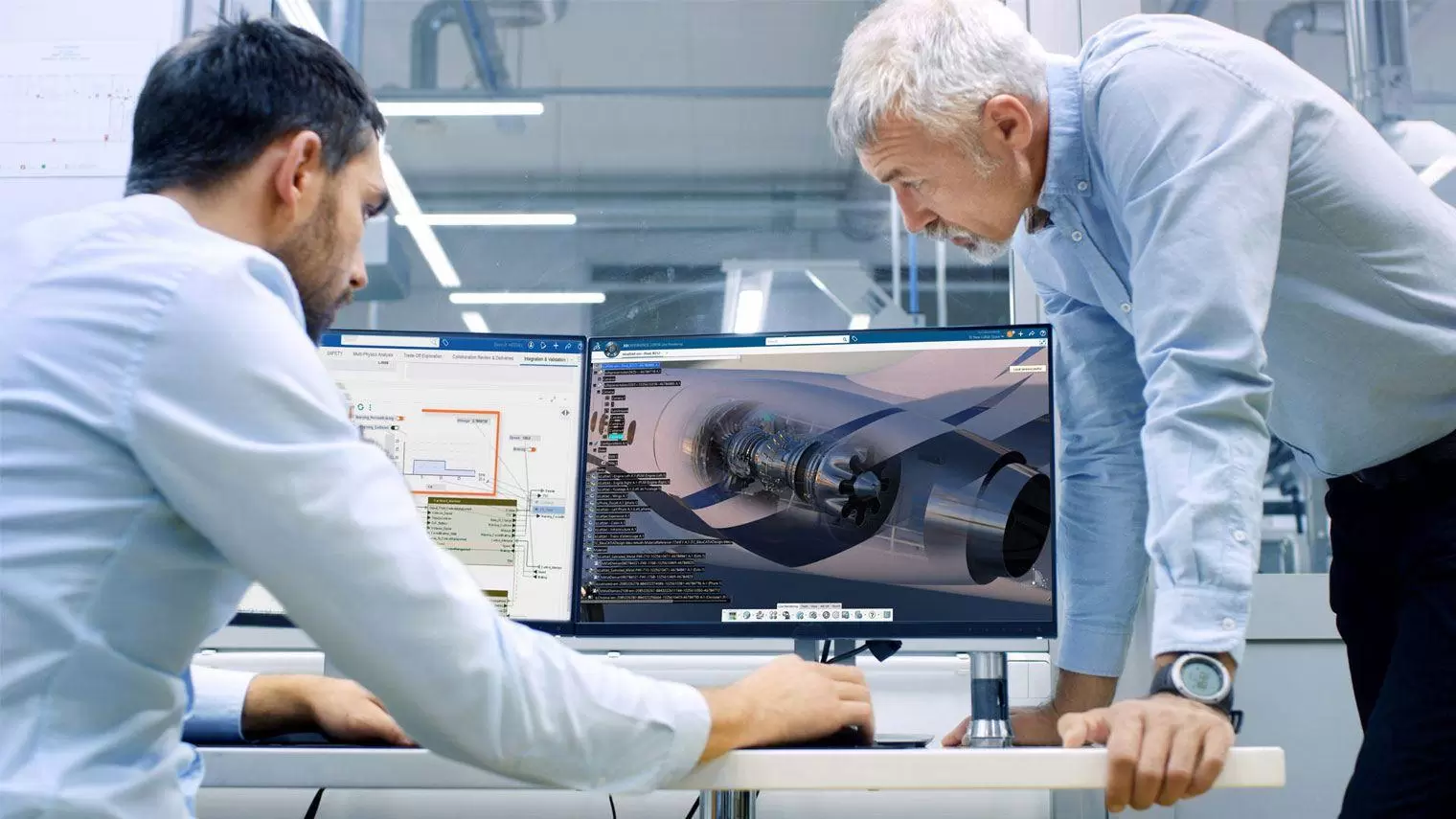
Many companies still share engineering files through email or shared folders. While this may work for small projects, it quickly becomes inefficient as more teams become involved in product development.
Common challenges include:
- Spending too much time searching for the latest drawing.
- Different departments working with different file versions.
- Difficulty tracking design revisions.
This is why many manufacturers adopt PLM (Product Lifecycle Management) to centrally manage engineering data rather than simply storing files. With all product information managed in one system, collaboration becomes faster, more accurate, and easier to control.
2. Design Is Complete, but the Data Isn't Ready for the Next Stage
Completing a design does not mean production is ready to begin.
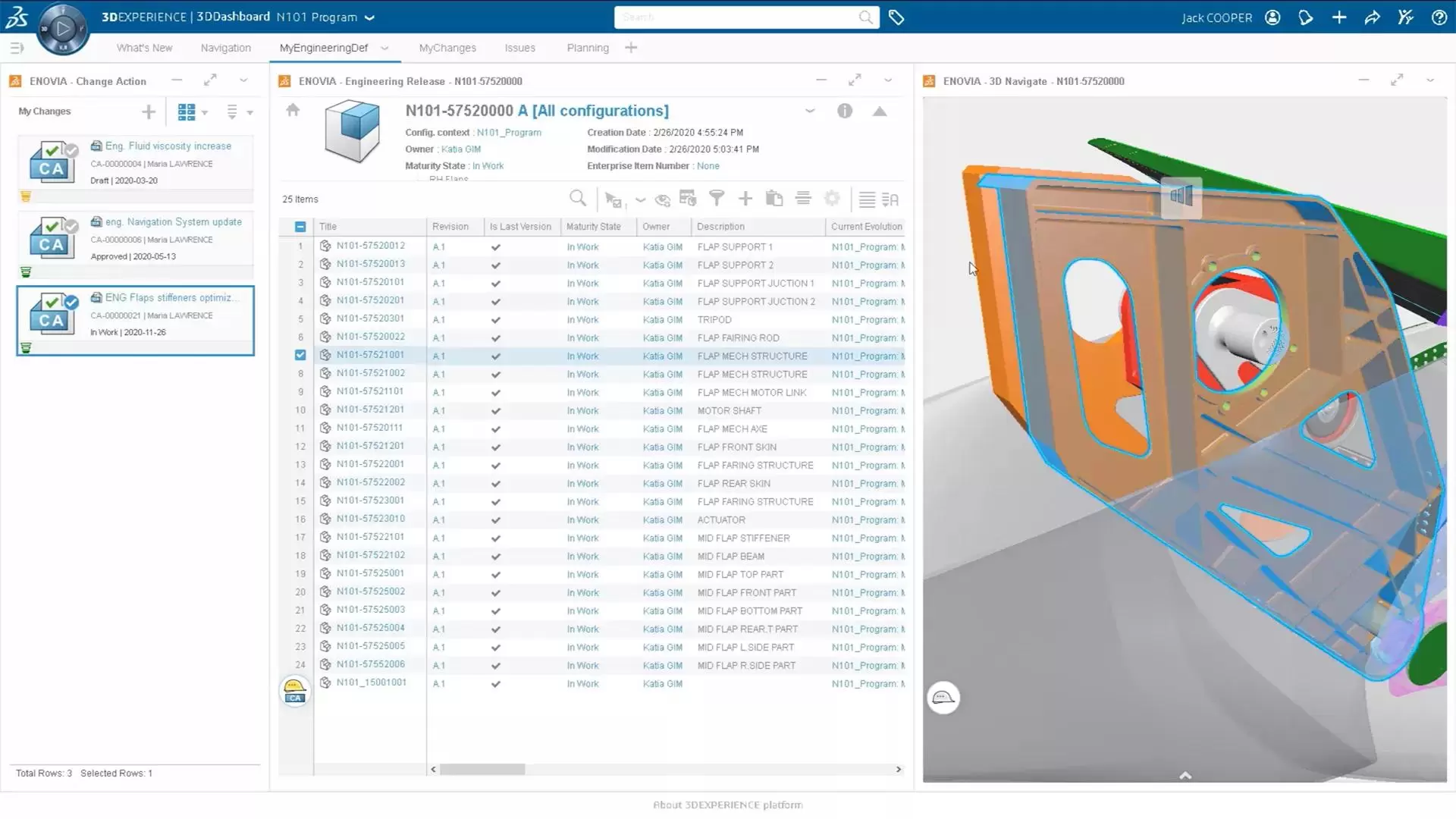
After the design phase, engineering data must continue to support simulation, CAM programming, engineering change management, and manufacturing.
If data must be converted repeatedly or transferred manually between different systems, engineers spend additional time checking files while increasing the risk of errors.
This is one reason why many companies choose CATIA—not only for powerful 3D design capabilities but also because its engineering data can be reused throughout CAE, CAM, and downstream product development processes.
3. Problems Are Discovered Too Late
A design modification may take only a few minutes.
However, if a problem is discovered after prototype manufacturing or production has already started, the cost and schedule impact can increase significantly.
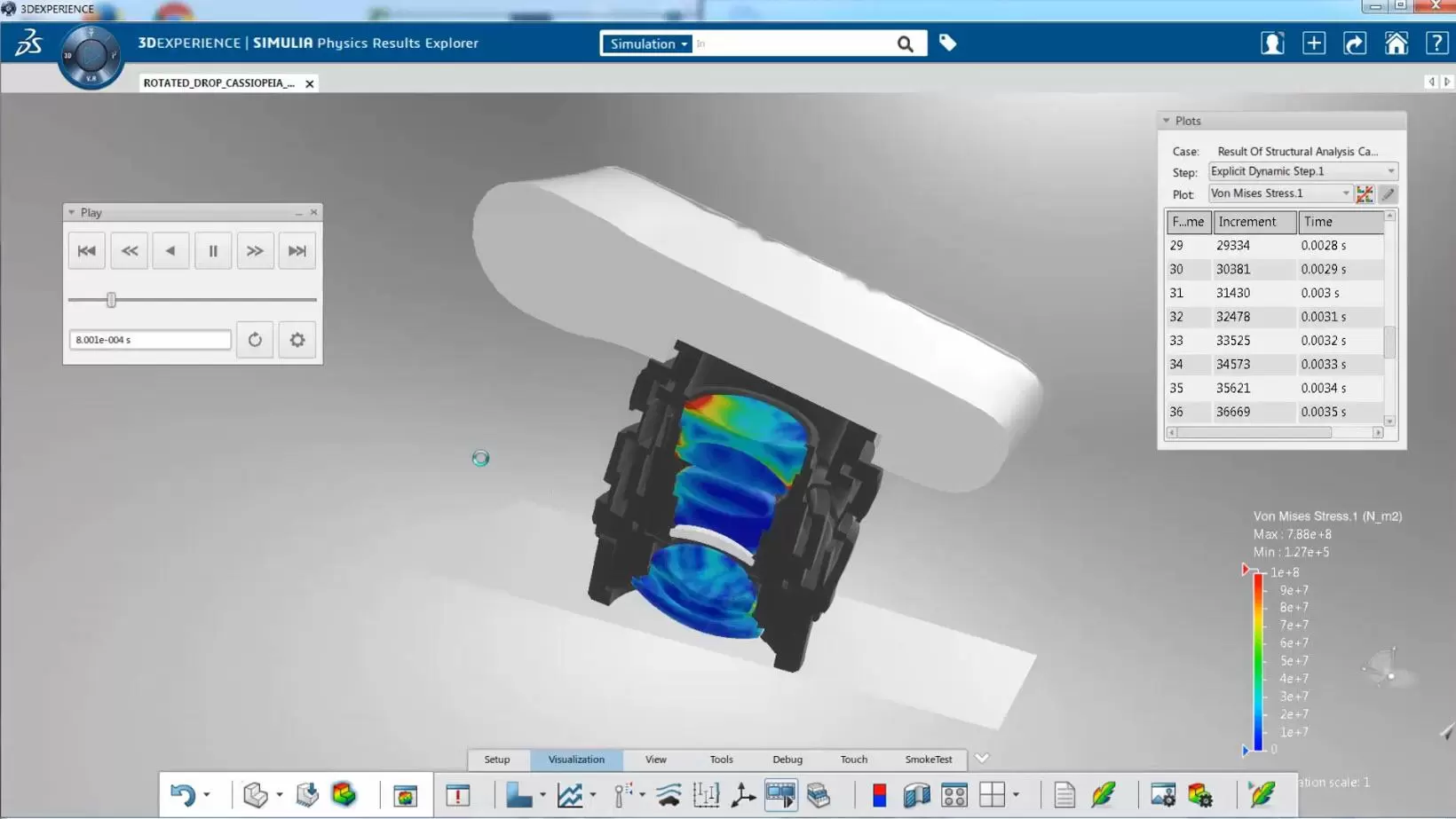
To reduce these risks, many companies introduce Simulation early in the design stage to evaluate structural strength, deformation, and assembly performance before physical manufacturing. For advanced engineering analysis, SIMULIA Abaqus helps validate product performance in a virtual environment before building prototypes.
4. Engineering Changes Still Depend on Email
Design changes are a normal part of product development.
The real issue is not how often changes occur, but how efficiently they are managed.
If every update requires emails, spreadsheets, or manual notifications, it becomes difficult to ensure everyone is working with the latest information.
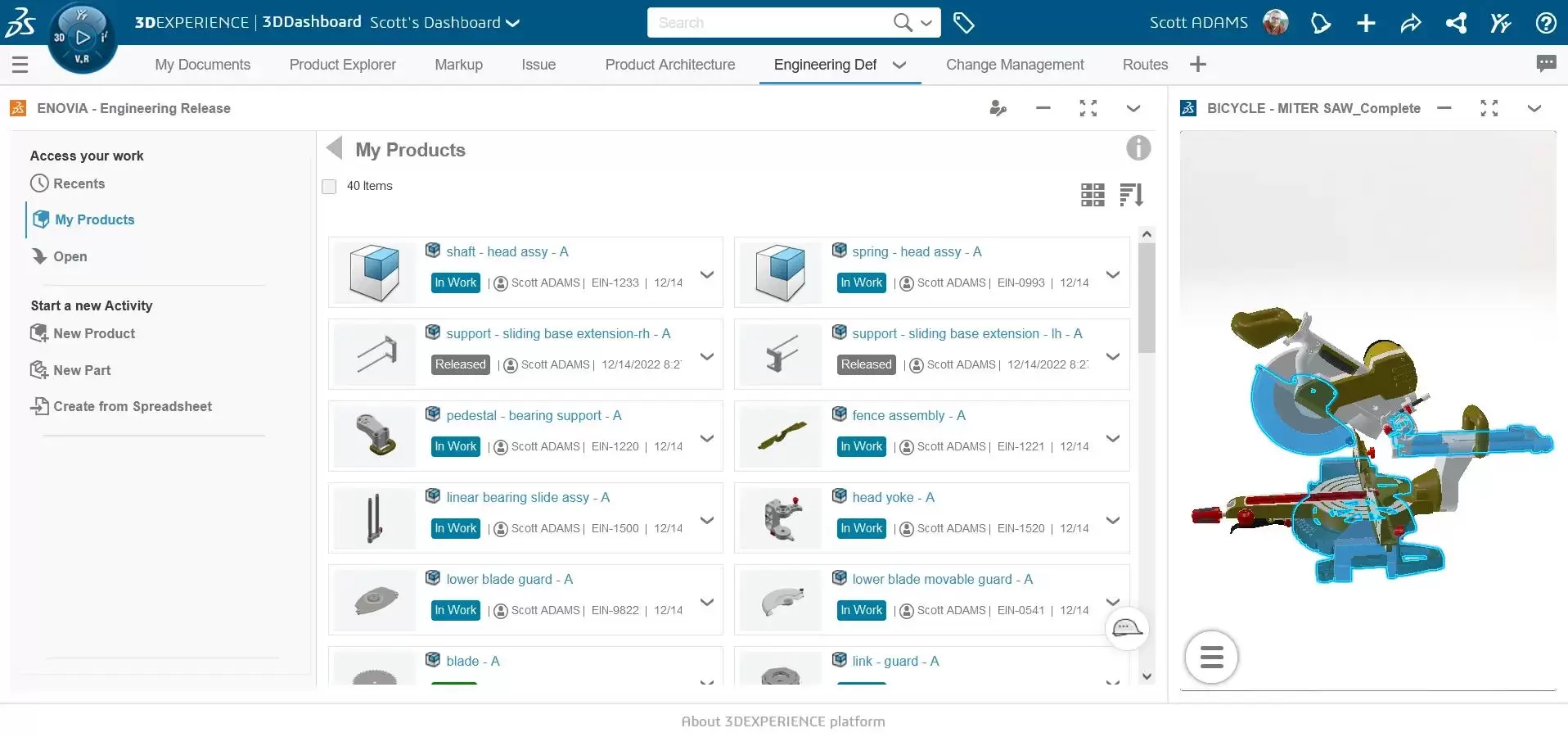
Managing the Engineering Change process through ENOVIA enables organizations to track revisions, control versions, and significantly reduce communication errors across teams.
5. The Challenge Isn't Having More Software—It's Connecting Everything Together
Many companies already use CAD, CAE, CAM, and PLM, yet engineering data still moves manually between departments.
When systems operate independently, organizations cannot fully leverage their technology investments.
Today's trend is to connect the entire product development process on a unified platform. With the 3DEXPERIENCE Platform, data from CATIA, SIMULIA, DELMIA, and ENOVIA flows seamlessly from design and simulation to manufacturing, improving collaboration while reducing development time.
Where Should Your Business Start?
Not every company needs to invest in additional software.
The first step is identifying the biggest bottleneck in your current process.
| If your business is experiencing... | Consider exploring... |
|---|---|
| Difficulty finding the latest drawings | PLM |
| Inconsistent engineering data across departments | ENOVIA |
| Frequent redesign after prototyping | Simulation / SIMULIA Abaqus |
| Rework during machining | CAM / DELMIA |
| Disconnected engineering systems | 3DEXPERIENCE Platform |
By addressing the right challenges first, companies can maximize the value of existing technology investments instead of continuously adding new software.
How Can New System Vietnam Help?
Every manufacturer has different workflows, challenges, and business objectives. Instead of recommending a one-size-fits-all solution, New System Vietnam works closely with customers to assess current processes, identify key bottlenecks, and recommend the most suitable roadmap—from CATIA, SIMULIA, DELMIA, ENOVIA, and PLM to the 3DEXPERIENCE Platform—helping businesses shorten product development cycles and maximize the return on their technology investment.
Frequently Asked Questions
Do I need PLM if I already use CAD?
Possibly. CAD is used for product design, while PLM manages engineering data, version control, and collaboration throughout the product lifecycle. The two solutions complement each other.
When should a company introduce Simulation into product development?
Simulation is most valuable when you want to identify design risks early, reduce physical prototypes, and shorten product development time.
Do companies need to implement CATIA, SIMULIA, DELMIA, and ENOVIA all at once?
No. Most organizations achieve better results by addressing their biggest business challenge first and expanding their digital engineering platform step by step.
Related posts

From fragmented devices to an integrated IT system: What are businesses missing?

Comparing Enterprise Information Security Solutions: Which One Is the Right Choice?

Understanding Cyber Attacks: How They Happen and How Businesses Can Protect Themselves

NSV: Partnering to Protect Businesses Against Ransomware in 2025