








Which PLM software is right for you? A comparison of today’s most popular solutions
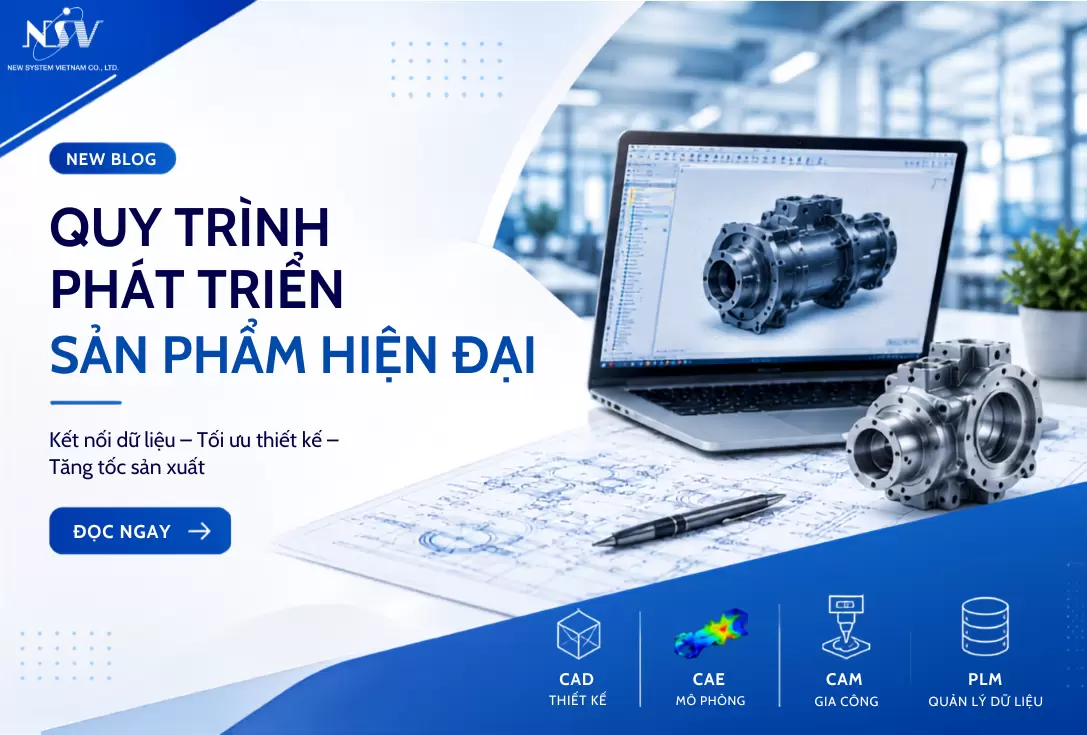
During product development, managing data, controlling the lifecycle, and ensuring consistency across design, engineering, and manufacturing teams play a decisive role in helping businesses shorten cycles, reduce errors, and improve quality. This is why PLM (Product Lifecycle Management) systems have become an essential foundation for industrial digital transformation.
During product development, managing data, controlling the lifecycle, and ensuring consistency across design, engineering, and manufacturing teams play a decisive role in helping businesses shorten cycles, reduce errors, and improve quality. This is why PLM (Product Lifecycle Management) systems have become an essential foundation for industrial digital transformation.
1. Why Do Businesses Need PLM?
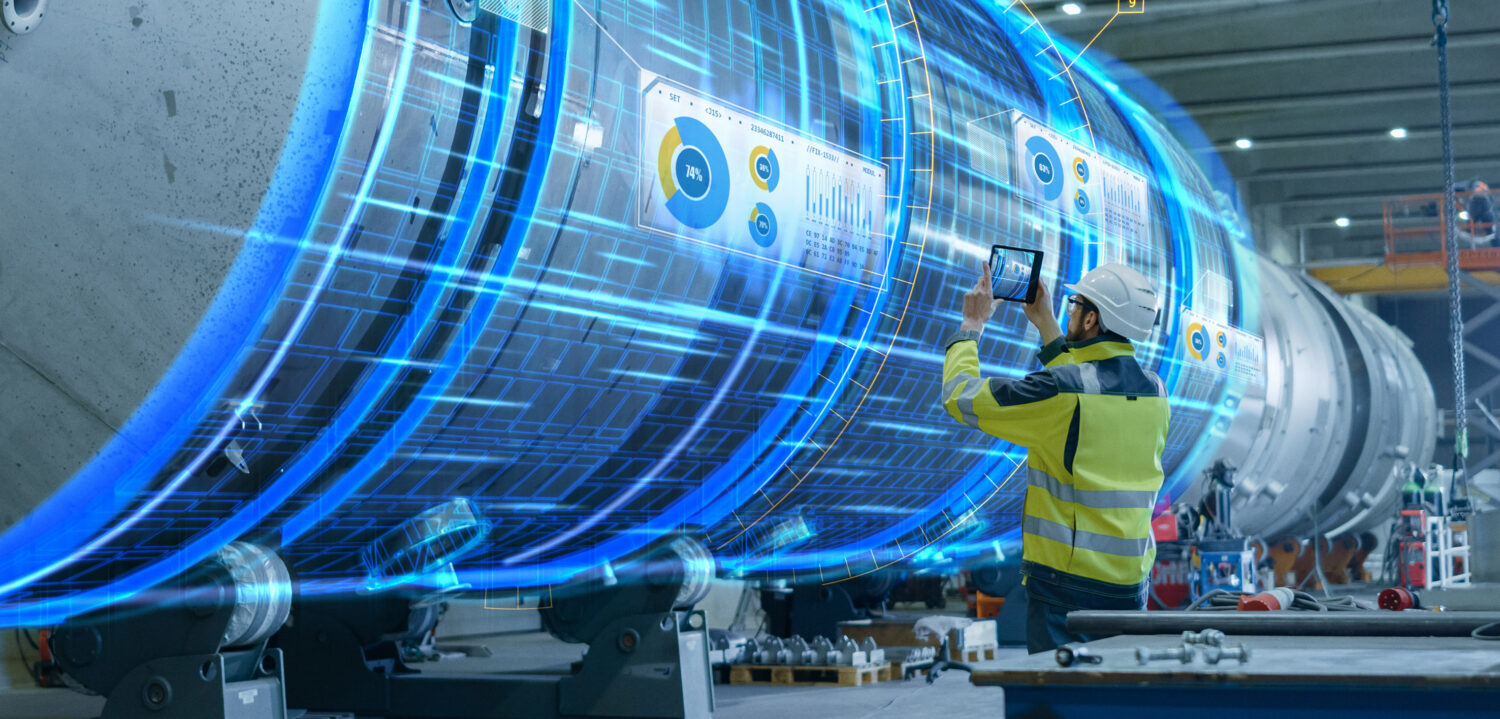
PLM enables companies to manage all product-related data—from ideation, design, simulation, and manufacturing to operation—within a unified system. This allows teams to collaborate efficiently and maintain control throughout the entire product lifecycle.
PLM brings businesses the following benefits:
- Increased design & engineering efficiency: Real-time synchronization of CAD data, simulation results, BOM, and technical documentation.
- Reduced errors and costs: Transparent change management (ECO/ECN), minimized design duplication, and fewer mistakes during cross-department handovers.
- Faster time-to-market: Streamlined development workflows with reduced approval delays and less time spent searching for data.
- Improved scalability & standardization: Establishes a single source of truth for all departments.
- Enhanced innovation: Well-organized data and processes make it easier to test and validate new ideas.
2. Criteria for Selecting a PLM Solution
When choosing a PLM platform, businesses should thoroughly evaluate the following factors to ensure alignment with their product strategy and existing systems:
- Product data management capabilities: PDM, BOM, product configurations, versioning, and engineering changes.
- CAD/CAE/ERP integration: Smooth connectivity with current design and management tools.
- Processes & workflows: The ability to model workflows according to business needs.
- Scalability: Support for project management, quality (QMS), manufacturing (MFG), and service.
- Deployment & infrastructure: Cloud, on-premise, or hybrid options depending on security requirements.
- Cost & licensing: Balance between usage scope, number of users, modules, and implementation costs.
- User interface & experience: Easy to learn, easy to manage, and reduces training time.
3. Popular PLM Solutions on the Market
Below are four representative PLM solutions widely used in design and manufacturing industries.
ENOVIA (Dassault Systèmes – 3DEXPERIENCE Platform)
ENOVIA is a comprehensive PLM solution supporting product data management, BOM, engineering processes, and cross-functional collaboration on the unified 3DEXPERIENCE platform.
With strong integration with CATIA, SIMULIA, and DELMIA, engineers can design, simulate, and manufacture within a synchronized data environment—without any manual data transfers.
Key advantages:
- Unified environment for design, simulation, and manufacturing
- Strong configuration, variant, and change management capabilities
- Cloud-native integration for full digital transformation
Best suited for: R&D-driven companies, CATIA users, or organizations aiming to standardize product data on a single platform.

Siemens Teamcenter
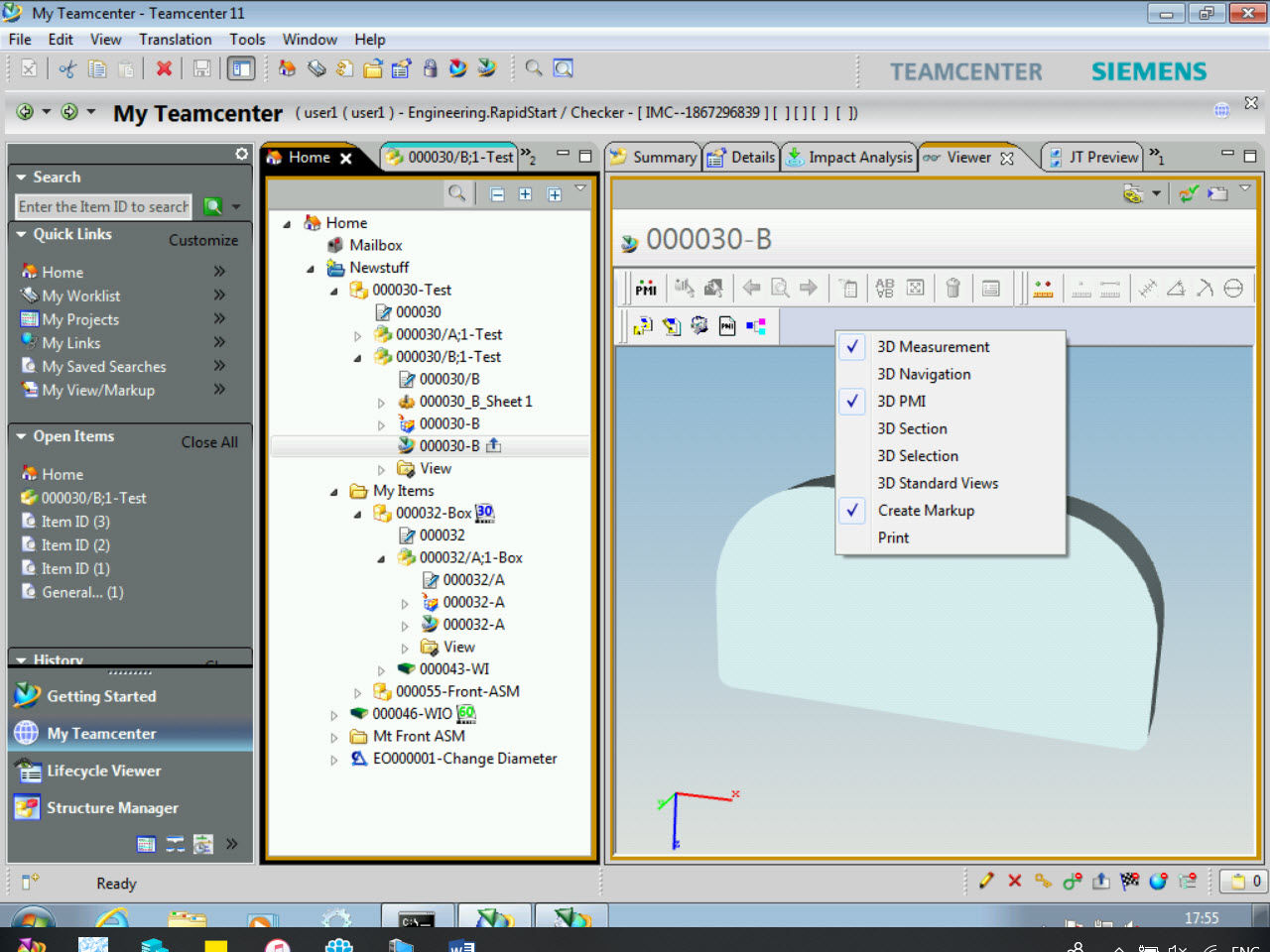
Teamcenter is one of the most widely deployed PLM systems in automotive, aerospace, and industrial equipment sectors.
Key strengths:
- Excellent management of complex datasets, strong multi-CAD support (NX, SolidWorks, etc.)
- Deep integration with Siemens’ ecosystem for design, manufacturing, and plant management
- Highly scalable for multi-site and multi-plant operations
Best suited for: Large manufacturers with complex products and large-scale PLM requirements.
PTC Windchill
Windchill is known for its open architecture and strong IoT/AR integration through the PTC ecosystem (ThingWorx, Creo).
Key strengths:
- Flexible process configuration
- Strong multi-CAD support and real-time collaboration
- Advanced smart data analytics and AI capabilities (in newer versions)
Best suited for: Companies needing highly customizable PLM and integration with IoT or smart manufacturing systems.

Aras Innovator
Aras is an open, model-based PLM platform offering high flexibility for companies requiring extensive customization.
Advantages:
- Deep process customization without rebuilding the entire system
- Flexible licensing model suitable for phased investment
- Strong compatibility with various CAD/ERP systems
Best suited for: Businesses requiring open, customizable PLM adaptable to specific industry workflows.

4. Choosing the Right PLM Solution
There is no “best” PLM—only the one that aligns best with your goals, scale, and technical ecosystem.
- For a unified platform from design → simulation → manufacturing: ENOVIA (3DEXPERIENCE) is ideal thanks to strong integration and unified data.
- For highly complex products and large-scale deployments: Teamcenter is a proven solution in heavy industries.
- For a flexible PLM with IoT/AI orientation: PTC Windchill excels in integration and workflow customization.
- For an open PLM platform with deep customization: Aras Innovator suits organizations with unique processes or industry-specific requirements.
PLM is more than just “product data management”—it forms the digital thread that enables businesses to control, optimize, and innovate across the entire product lifecycle.
Conclusion
In the era of digital transformation, PLM is the backbone that helps businesses standardize engineering processes, eliminate manual errors, and enhance competitiveness. Choosing the right PLM solution can shorten development cycles, improve quality, and pave the way for smart product innovation.
New System Vietnam (NSV) is an authorized partner of Dassault Systèmes, providing ENOVIA and the 3DEXPERIENCE platform along with comprehensive PLM consulting and implementation services.
If your business is seeking a PLM system that aligns with your current design–manufacturing processes, NSV’s experts are ready to assess your needs and propose the optimal solution.
👉 Contact us for detailed consultation on ENOVIA and PLM solutions to enhance your product development capabilities.
Related posts
AI in R&D: What Should Companies Prepare for Effective Implementation?
Can AI Replace Design Engineers? The Future of AI in Engineering
When Does Your Business Need PLM? 7 Signs to Look For
How to Shorten Product Development Time: 5 Critical Factors Companies Often Overlook