














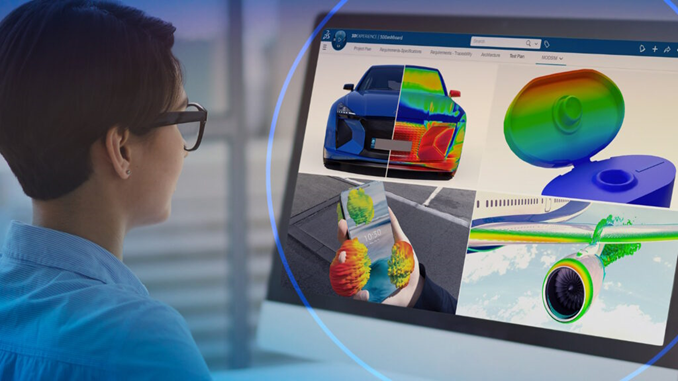

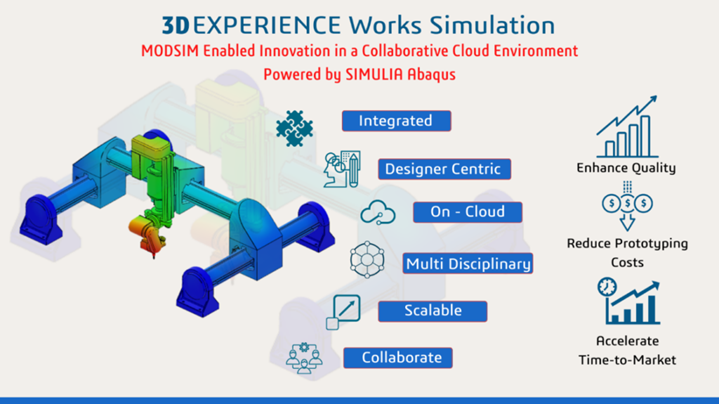
Because everything is connected to the Product Lifecycle Management (PLM) system, all stakeholders involved in the product design and manufacturing lifecycle have access to modeling and simulation tools. This improves productivity and helps eliminate waste caused by sourcing and managing input data for simulation and analysis.
MODSIM — A New Approach to Design and Simulation Collaboration
The concept of MODSIM is formed by combining two terms: Modeling and Simulation. To begin, let’s take a closer look at what Modeling and Simulation are.
Table of Contents
SO WHAT CAN MODSIM ACTUALLY DO?
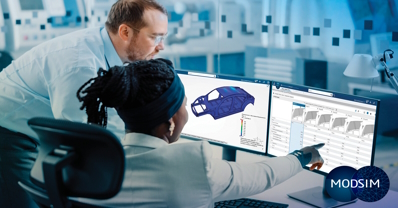
Essentially, MODSIM enhances coordination between the modeling and simulation phases, making data exchange between design and simulation teams as seamless and efficient as possible.
Compared to traditional approaches, MODSIM establishes a streamlined workflow that tightly integrates design and testing. This accelerates collaboration between the two teams, minimizes conflicts, and ensures a smoother working process. Beyond improving teamwork, MODSIM also helps shorten development cycles, enabling companies to rapidly create and iterate on multiple new designs.
BENEFITS OF APPLYING MODSIM TO THE DESIGN PROCESS
FASTER TIME TO MARKET:
As mentioned above, enabling different teams to collaborate on the same design model helps save time in both design and refinement. In practice, development timelines can be reduced from several months to just a few weeks.
REDUCED PHYSICAL PROTOTYPES:
By being involved in the design process from the very beginning, companies using MODSIM toolsets can fully control design parameters throughout the entire development cycle. As a result, they can avoid producing physical prototypes that are flawed due to incorrect parameters set in early stages, thereby minimizing waste in physical prototyping.
LOWER COSTS:
- Optimize investment costs for input data resources
- Reduce expenses associated with physical prototyping
ACCELERATED INNOVATION:
MODSIM drives innovation by transforming workflows, optimizing team productivity, and speeding up the creation of new designs.
AVOIDING LATE-STAGE ERRORS:
As analyzed earlier, MODSIM allows multiple teams to participate in product design from the initial stages. This significantly reduces the risk of issues originating early in the process but only being discovered at later stages.
HOW DOES MODSIM SUPPORT SUSTAINABILITY?
Sustainability has become a critical factor across many industries, requiring companies to adopt circular economy principles and make greater use of renewable resources. Products are increasingly complex, integrating mechanical, electrical, and software components, which demands thorough testing and validation throughout the development lifecycle. To ensure sustainability while controlling costs, early-stage testing during product development is essential. Embedding environmentally friendly principles from the outset is therefore crucial.
Olivier Sappin, CEO of CATIA, emphasized that “80% of a product’s impact on the planet is determined at the concept stage.” This highlights the need to focus on design, modeling, and simulation to minimize environmental impact. Introducing simulation early in the design process provides designers and developers with the insights needed to balance competing requirements and make the right trade-offs—thereby embedding sustainability directly into product designs.
HOW DOES DASSAULT SYSTÈMES SUPPORT THE MODSIM APPROACH?
The 3DEXPERIENCE platform brings MODSIM into practice by integrating all product development functions within a single, centralized environment.
Related posts
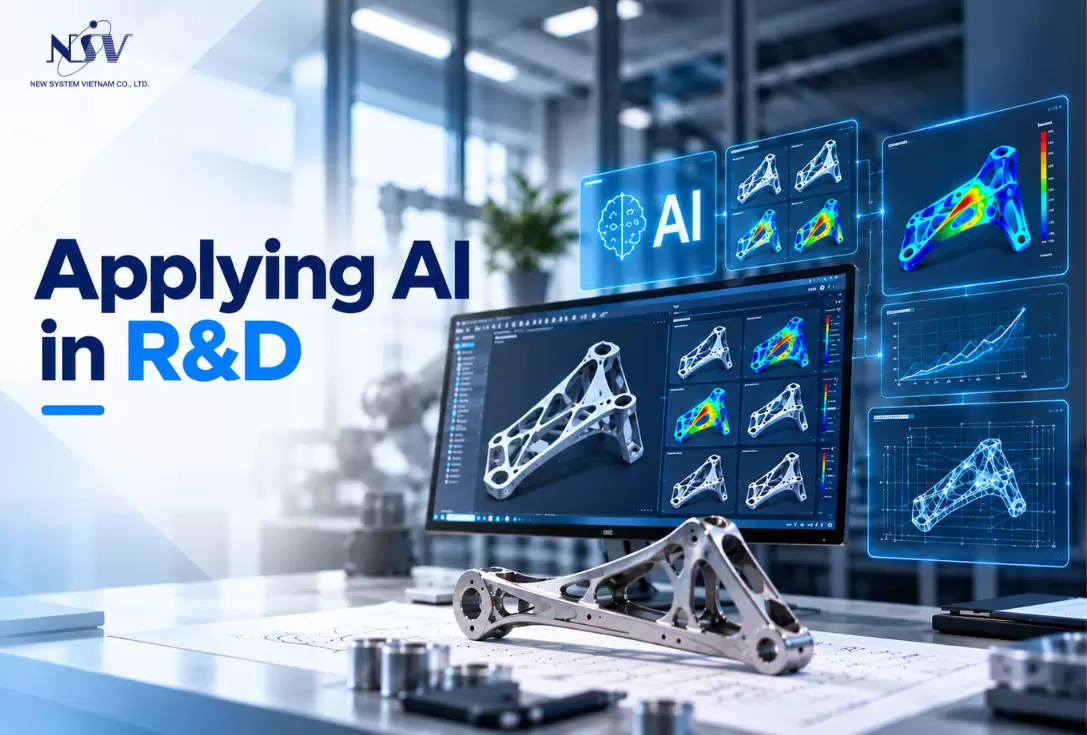
AI in R&D: What Should Companies Prepare for Effective Implementation?
What should companies prepare before implementing AI in R&D? Explore five key areas — data...
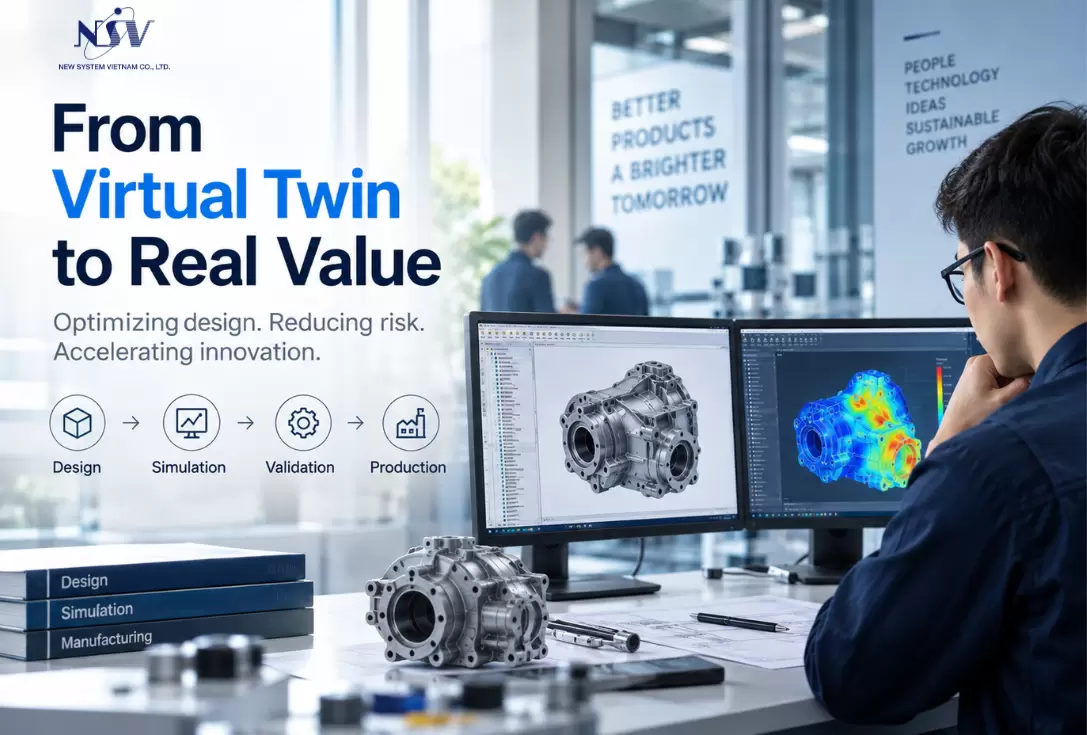
Is Virtual Twin Worth the Investment? Where Does ROI Come From and How Can It Be Measured?
Virtual Twin goes beyond simulation. Discover how businesses can reduce prototypes, rework...
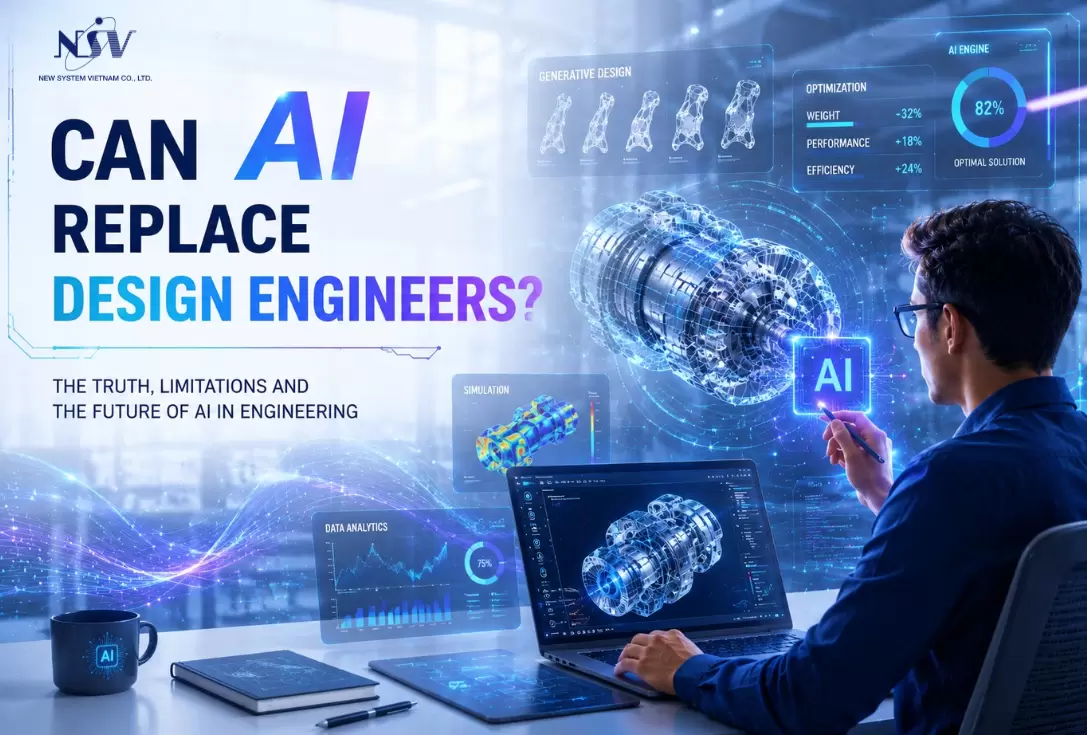
Can AI Replace Design Engineers? The Future of AI in Engineering
Can AI replace design engineers? Discover how AI is changing engineering, the role of AURA...
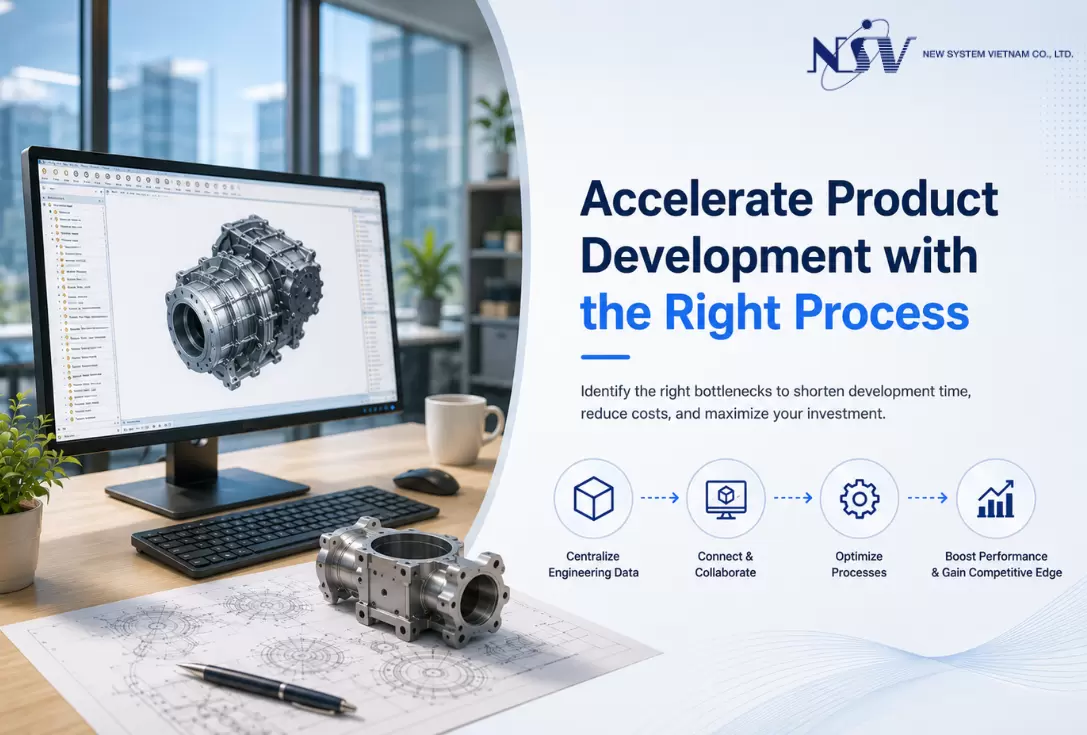
How to Shorten Product Development Time: 5 Critical Factors Companies Often Overlook
Want to shorten product development time but don't know where to begin? Discover five crit...
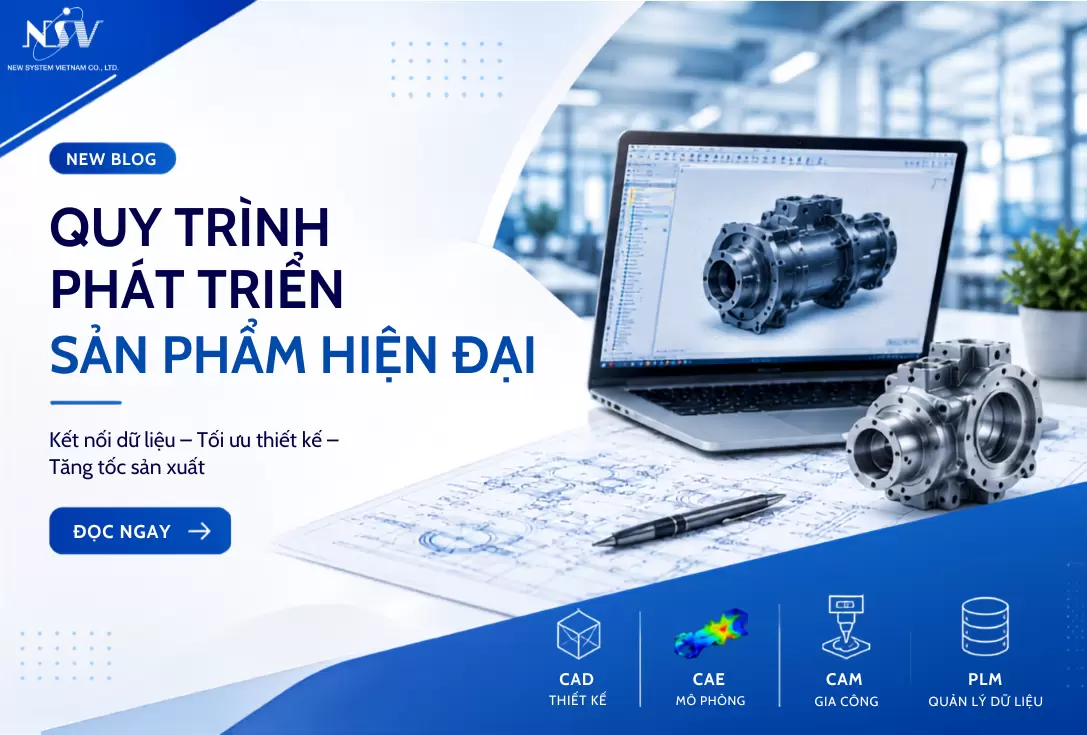
Modern Product Development: Why Many Manufacturers Still Face Product Launch Delays
In today’s manufacturing environment, product development is no longer an isolated task ha...