













CAE in Digital Engineering: When Simulation Becomes More Than Just a Validation Step
Many companies already have CAE in place, yet product development is still not moving faster. The issue is not the tool itself, but how simulation is used and integrated throughout the entire development process.
In many manufacturing companies, CAE (Computer-Aided Engineering) has been implemented for years — the software is in place, engineering teams are available, and the need for design optimization is well recognized.
Yet after a period of adoption, one common question often arises:
Why hasn’t product development become significantly faster, even with CAE in place?
The answer usually does not lie in the tools themselves. It lies in how CAE is being used within the broader Digital Engineering ecosystem.

1. CAE Is Often Used as a “Final Check” Instead of a Decision-Making Tool
CAE is a simulation technology that helps companies analyze and predict product behavior in a virtual environment.
👉 (Read more: Understanding CAE — From Mechanical Simulation to Engineering Design Optimization)
However, in many organizations, CAE only comes into play after the design is nearly complete. At that stage, its role is mainly to:
- Verify whether the design meets requirements
- Detect issues before manufacturing begins
While this approach may seem reasonable, it unintentionally limits the true value of CAE.
When simulation is introduced only at the final stage, CAE no longer helps companies identify the best design option — it merely helps avoid the wrong one.
As a result, every issue discovered often forces the process to loop back to the beginning.
2. When CAD and CAE Are Disconnected, the Real Cost Lies in Data Handling
One of the biggest bottlenecks in CAE implementation is not simulation capability itself, but how data is managed across systems.
In many companies:
- CAD and CAE operate independently
- Data is not automatically synchronized
- Every design change requires simulation models to be updated manually
- In some cases, models must even be rebuilt from scratch
Over time, one thing becomes increasingly clear:
👉 Most engineering effort is spent not on analysis, but on preparing data for analysis.
The workflow turns into a repetitive loop: Design → Simulation → Revision → Update → Re-simulation
And the biggest cost is not running simulations — it is the time lost due to disconnected data.
3. Repositioning CAE Within Digital Engineering
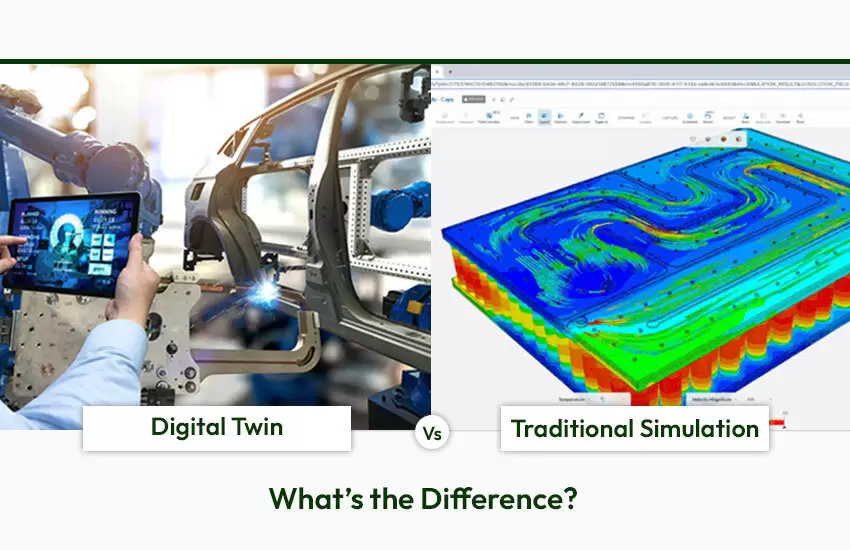
When CAE is no longer isolated, but integrated with CAD and product data, the entire product development process changes.
Instead of following a linear workflow, companies can move toward a continuous model where:
- Design and simulation happen in parallel
- Changes in CAD are directly reflected in CAE
- Simulation results immediately feed back into the design process
At that point, the question is no longer:
“Does this design work?”
But rather:
👉 “Which design option is optimal based on simulation data?”
This is the foundation of a simulation-driven design approach.
And in this context, the value of CAE is no longer just about better simulations — it is about:
- Making decisions earlier
- Reducing unnecessary design iterations
- Exploring more design alternatives in less time
In other words, CAE evolves from a standalone engineering tool into part of an integrated system that enables faster and more accurate product development.
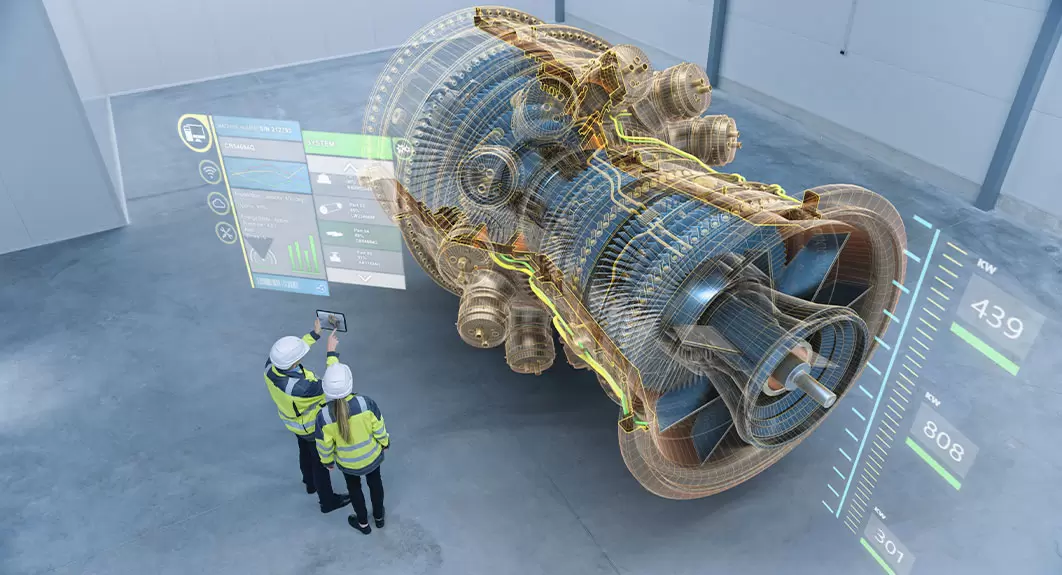
4. MODSIM: When Design and Simulation Become a Unified Process
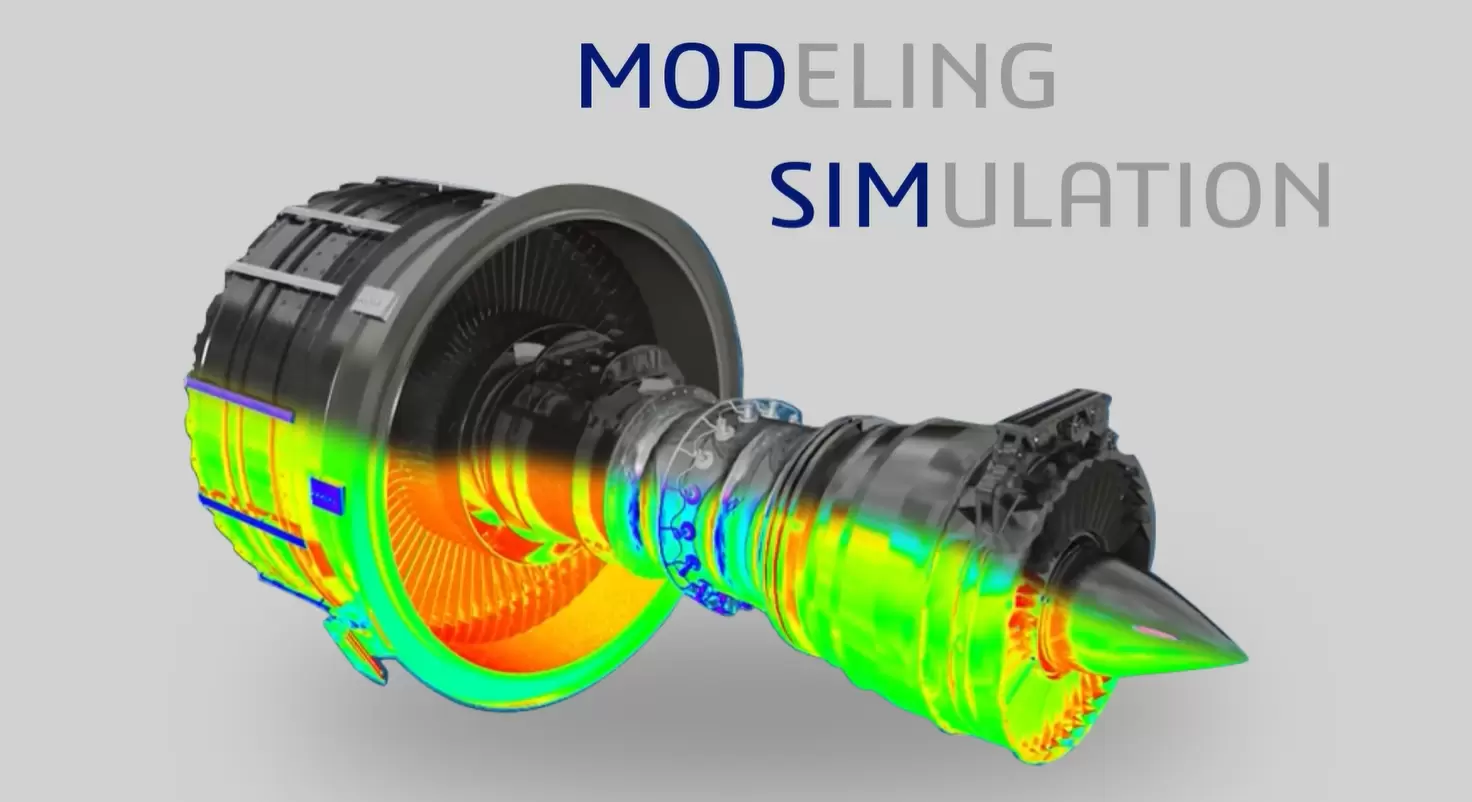
One approach increasingly adopted by manufacturers today is MODSIM (Modeling & Simulation) — where design and simulation are no longer treated as separate steps.
In a MODSIM environment:
- CAD and CAE operate on the same platform
- Design and simulation data are connected from the beginning
- Any design change can immediately be reflected in simulation results
The key advantage is not simply having “more tools,”
but enabling those tools to work together on a single source of data.
For example, platforms such as 3DEXPERIENCE allow companies to manage CAD and CAE within the same environment:
- Designs are created and managed centrally
- Simulations are performed directly on design data
- Stakeholders collaborate using a single version of the product data
As a result, product development is no longer fragmented into disconnected stages. Instead, it becomes a continuous workflow where simulation supports decision-making from the very beginning.
Conclusion
CAE is not missing from today’s manufacturing companies. The real question is whether it is being used in a way that creates meaningful value.
If CAE remains only a final validation step, its impact will always be limited.
But when properly integrated into Digital Engineering, CAE can become a foundation for helping companies:
- Understand products earlier
- Make decisions faster
- Reduce risk from the beginning of development
In an environment where speed and innovation are increasingly critical, this is no longer an optional advantage — it is becoming a competitive necessity.
👉 Don’t let CAE remain just a simulation tool. Contact NSV to explore how CAE can better support decision-making and accelerate your product development process.
Related posts
AI in R&D: What Should Companies Prepare for Effective Implementation?

Is Virtual Twin Worth the Investment? Where Does ROI Come From and How Can It Be Measured?

Can AI Replace Design Engineers? The Future of AI in Engineering
How to Shorten Product Development Time: 5 Critical Factors Companies Often Overlook