













Why Companies Still Experience Errors After Investing in CAD
CAD accelerates product design, but reducing engineering errors requires more than CAD alone. Learn why disconnected workflows cause costly mistakes and how connecting design, simulation, manufacturing, and data can improve product development.
Companies invest in CAD software to shorten design cycles, reduce errors, and improve engineering productivity. Yet in reality, many product development projects still face familiar challenges: engineering drawings require multiple revisions, design data becomes inconsistent across departments, or critical issues are only discovered after production has begun.
These problems not only delay project schedules but also increase prototyping costs, rework, and ultimately extend time-to-market.
If your organization is experiencing these challenges, the root cause may not be the CAD software itself—but rather how your product development process is organized and managed.
CAD Solves Only Part of the Problem
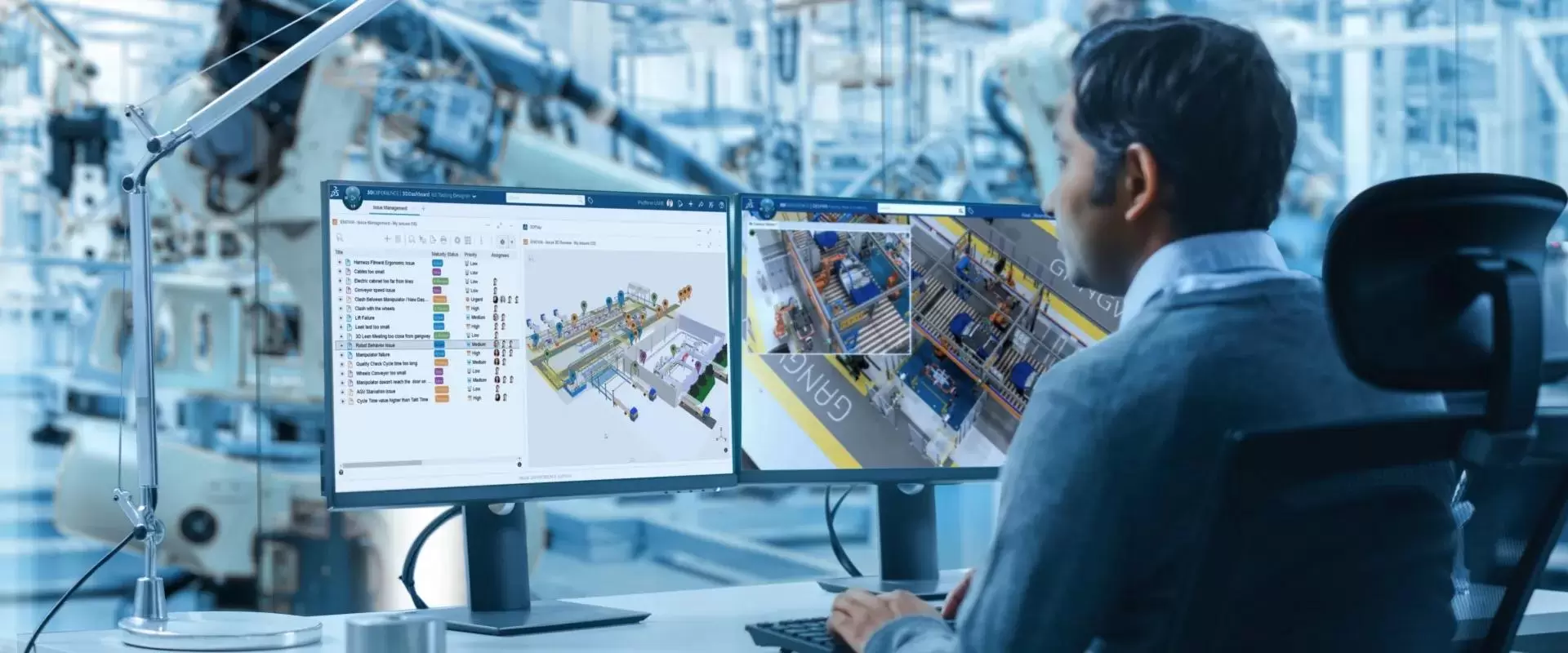
CAD is an essential tool for creating and editing 3D models, but product development involves much more than design. Simulation, data management, cross-functional collaboration, and manufacturing preparation all play equally important roles.
When each department works with different software or manages data independently, information becomes fragmented. Even a small design change can result in other teams working with outdated data, leading to inconsistencies and costly errors.
That is why many companies continue to struggle with design and manufacturing issues even after investing in advanced CAD software.
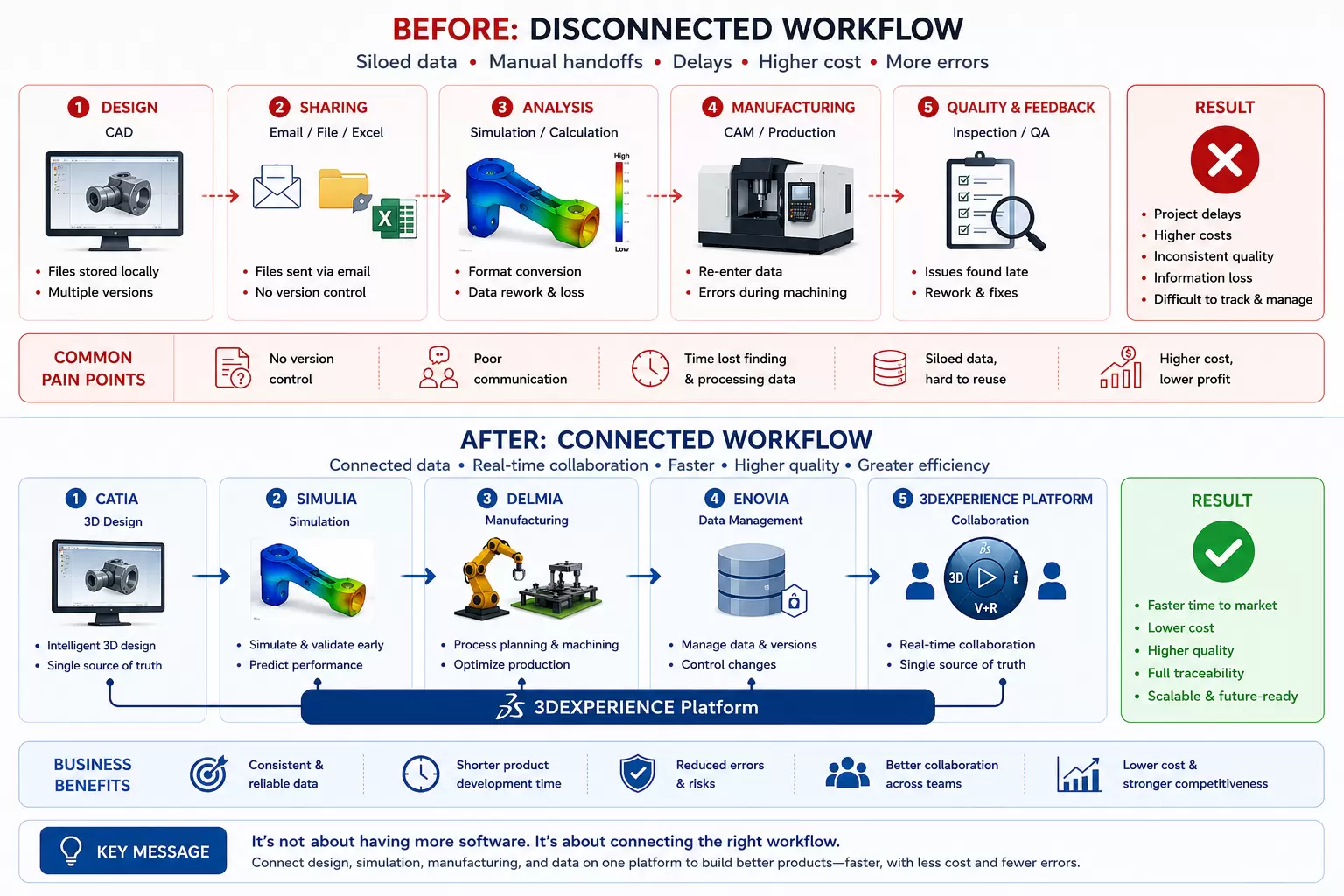
4 Reasons Why Companies Still Experience Errors After Investing in CAD
1. The Design Is Correct, but Teams Are Working on Different Versions
This is one of the most common challenges in manufacturing companies. Design engineers update the latest drawing, but the production team continues working from an outdated version stored in email or a shared folder. A single unsynchronized revision can result in an entire production batch requiring rework.
When engineering data is stored across multiple locations, version control becomes increasingly difficult, and the risk of costly mistakes grows with every project.
Solution: Centralize engineering data with ENOVIA or the 3DEXPERIENCE Platform to ensure every department works from the latest approved design.
2. Designs Are Validated Only After Production Begins
Many manufacturers discover issues such as insufficient strength, assembly interference, or manufacturability problems only after producing physical prototypes. At that stage, correcting the design often means rebuilding tooling, reprogramming CNC operations, or repeating validation tests.
By validating designs during the engineering phase, companies can identify potential risks much earlier and significantly reduce development costs.
Solution: Combine CATIA with SIMULIA to simulate and validate product performance before manufacturing begins.
3. Design and Manufacturing Data Are Disconnected
After a design is completed, engineering data often has to be converted between multiple software applications before CNC programming or production planning can begin. Every conversion increases the risk of missing information, version mismatches, or manual rework.
The cost is not only additional engineering time but also delays caused by verifying and correcting transferred data.
Solution: Connect design data directly to manufacturing through DELMIA or CAM-TOOL, creating a smoother workflow with fewer manual steps.
4. Every Department Has Its Own Tools, but No Common Platform
Engineering teams use CAD, simulation engineers rely on different applications, manufacturing operates another system, while project management often tracks progress in spreadsheets. Each tool performs well independently, but disconnected data makes collaboration increasingly complex.
Instead of focusing on innovation, engineering teams spend valuable time verifying information, tracking design changes, and resolving avoidable communication issues.
Solution: Implement the 3DEXPERIENCE Platform to connect people, data, and processes within a unified collaborative environment.
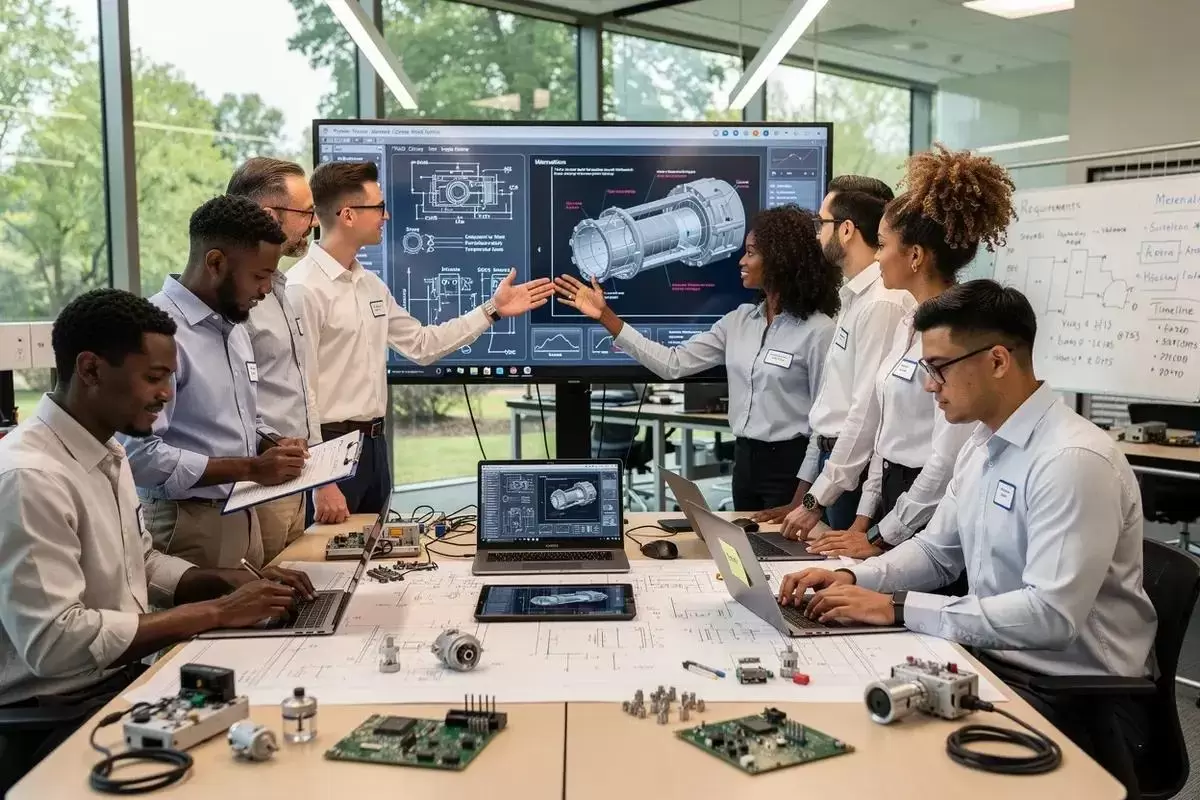
How Can Companies Reduce Errors Throughout the Product Development Process?
Reducing engineering errors requires more than powerful CAD software. It requires a connected product development process where data flows seamlessly from design through manufacturing.
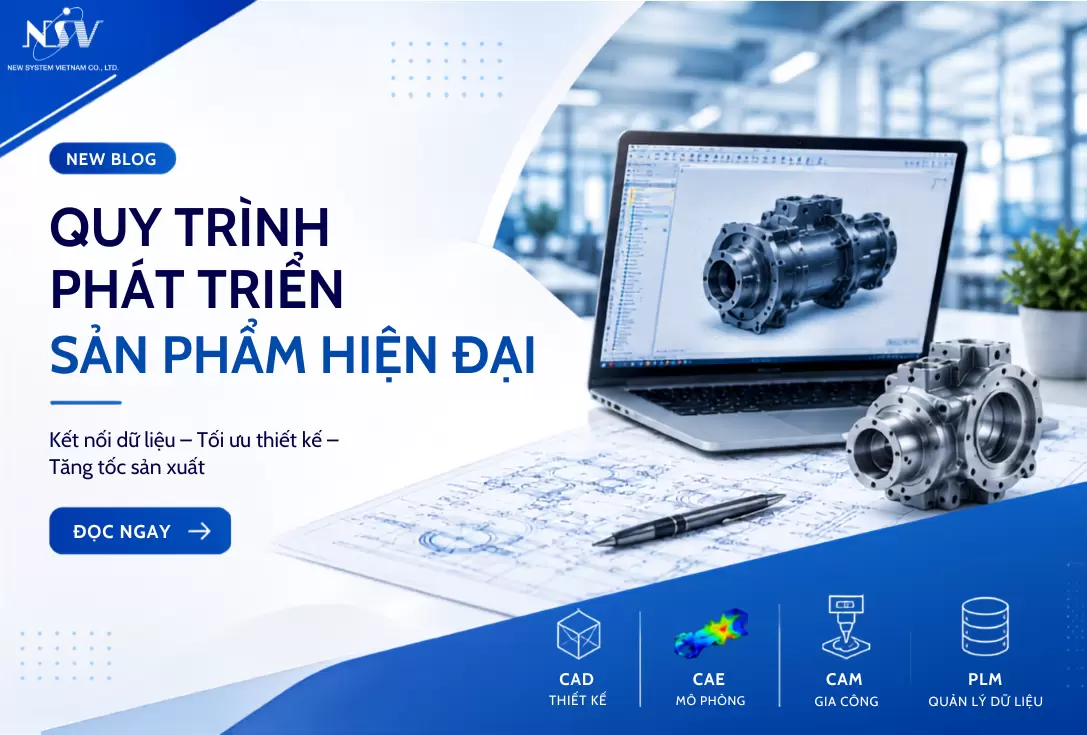
A modern engineering workflow typically includes:
- CATIA – 3D product design and engineering
- SIMULIA – Simulation and virtual validation
- DELMIA – Manufacturing planning and production optimization
- ENOVIA – Product data and engineering change management
- 3DEXPERIENCE Platform – A unified environment connecting the entire product development lifecycle
When these solutions work together, companies can reduce engineering errors, shorten development cycles, and improve collaboration across departments.
How New System Vietnam Can Help
Every organization has different engineering processes, IT infrastructure, and digital maturity. There is no one-size-fits-all implementation strategy.
With more than 20 years of experience and as a Gold Partner of Dassault Systèmes in Vietnam, New System Vietnam helps manufacturers assess their current processes, identify workflow bottlenecks, and build a practical roadmap toward connected product development.
From CATIA, SIMULIA, DELMIA, and ENOVIA to the 3DEXPERIENCE Platform, NSV provides consulting, implementation, training, and technical support to help companies maximize the value of their engineering data and digital investments.
👉 Contact the experts at New System Vietnam to evaluate your current product development process and identify the right digital transformation roadmap for your business.
Frequently Asked Questions
1. If we already use CAD, do we still need PLM?
Possibly. While CAD focuses on product design, PLM manages product data, engineering changes, approval workflows, and collaboration throughout the product lifecycle.
2. Why do manufacturing issues still occur even when CAD models are correct?
In most cases, the problem is not the CAD model itself. It is caused by disconnected data, limited design validation, or poor information transfer between engineering and manufacturing.
3. Do we need to implement CATIA, SIMULIA, DELMIA, and ENOVIA all at once?
Not necessarily. Companies should first identify their biggest workflow bottlenecks and implement solutions step by step while ensuring they integrate into a long-term digital strategy.
4. How can we reduce the number of physical prototypes?
Introducing simulation earlier in the development process allows engineers to evaluate strength, deformation, and product performance before manufacturing, reducing both prototyping costs and development time.
5. When should a company consider adopting the 3DEXPERIENCE Platform?
The platform becomes valuable when multiple departments need to collaborate on shared engineering data, when version control becomes difficult, or when organizations want to connect design, simulation, manufacturing, and PLM within a single digital environment.
Related posts
AI in R&D: What Should Companies Prepare for Effective Implementation?

Can AI Replace Design Engineers? The Future of AI in Engineering
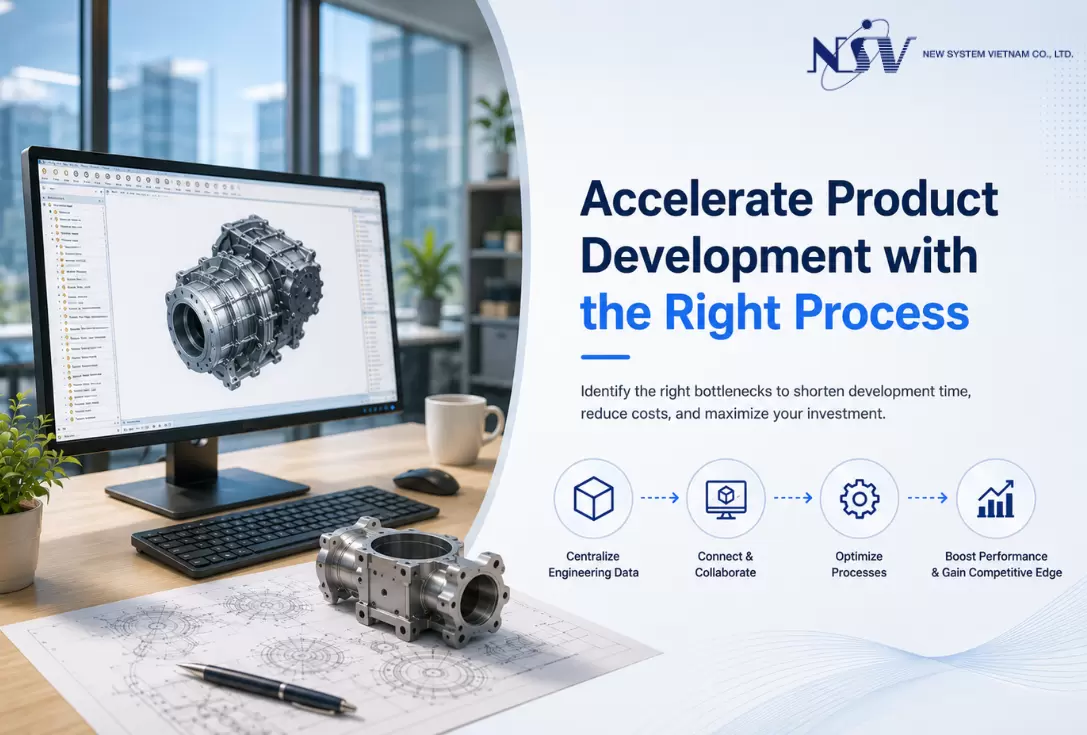
How to Shorten Product Development Time: 5 Critical Factors Companies Often Overlook
Modern Product Development: Why Many Manufacturers Still Face Product Launch Delays