







Blog

When Does Your Business Need PLM? 7 Signs to Look For

13/08/2026

When does your business need PLM? Discover 7 key signs, from version control issues and difficult change management to BOM inconsistencies, and learn when it may be time to implement PLM.

Table of Contents
Table of Contents
The design has been updated, but production is still using the old version. The BOM does not match the latest design. An engineering change has to go through a long email chain before anyone knows whether it has been approved.
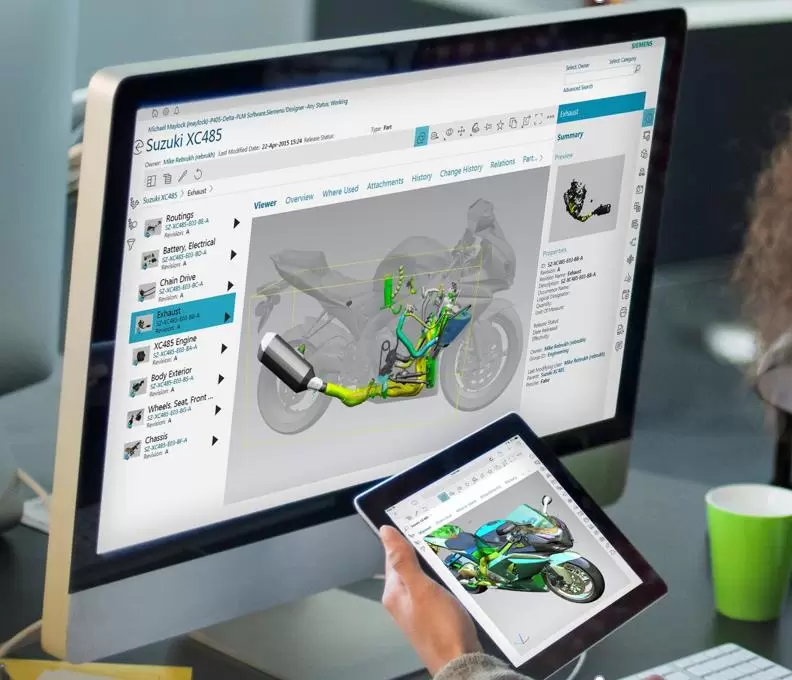
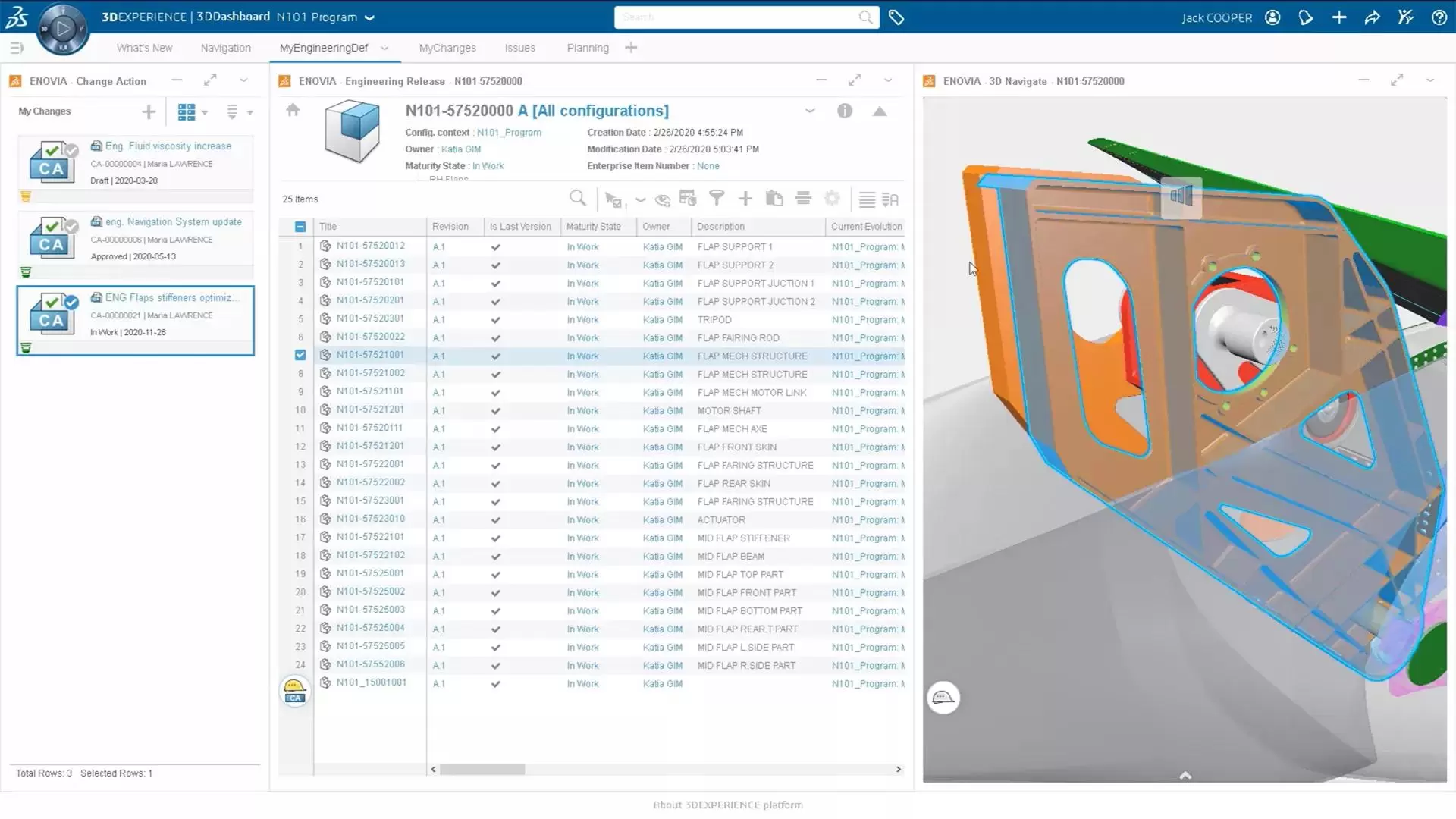
If these situations happen only occasionally, your existing processes may still be sufficient. But when they occur repeatedly across multiple projects, causing rework and delays, the problem may no longer lie in the design software itself.

The real bottleneck may be how product data is managed.

This is when companies should start exploring what PLM is and how it supports product development.

So, how do you know whether your business really needs PLM? Here are seven common signs to look for.

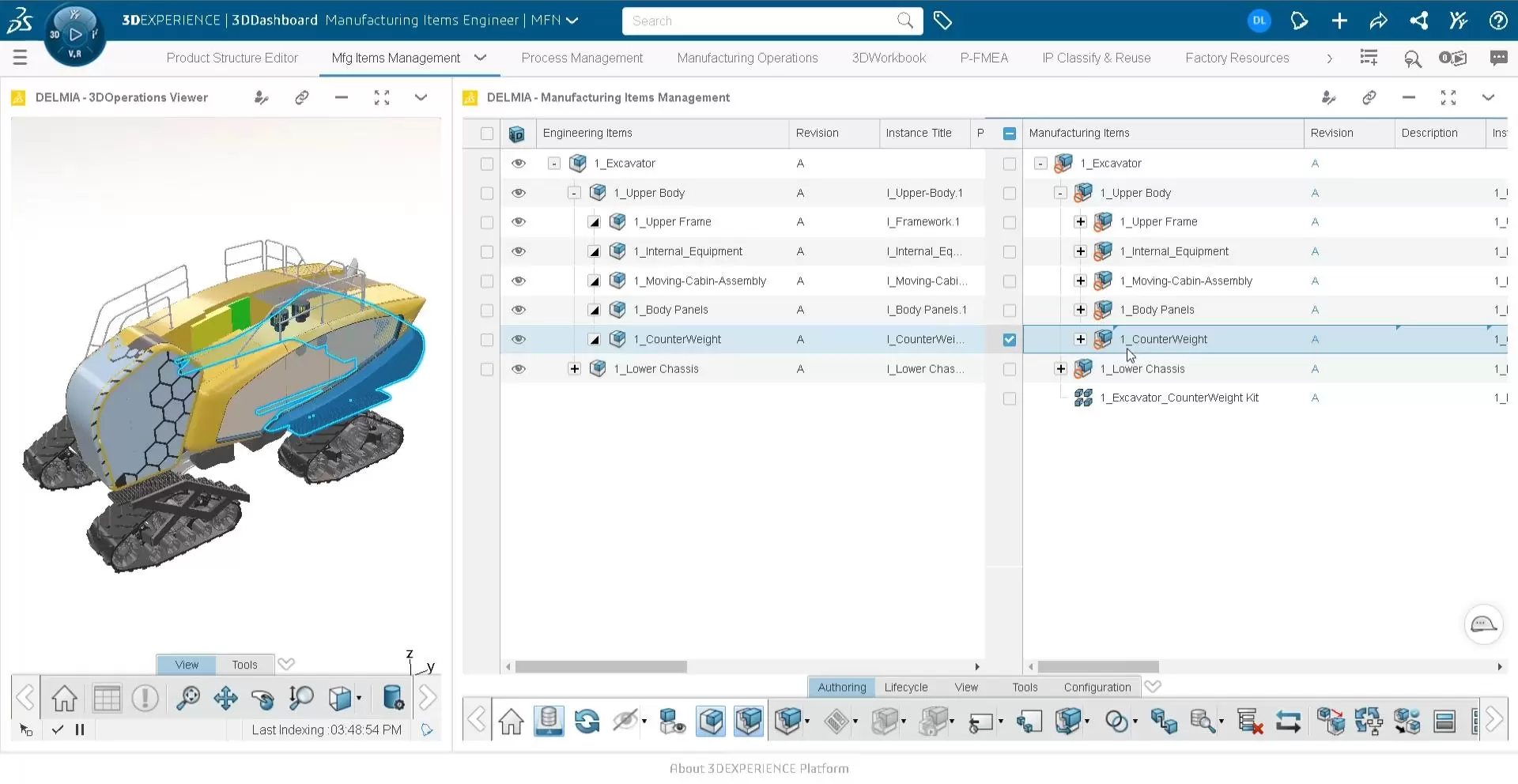
PLM helps connect product data, engineering changes, and teams throughout the product development process.


1. You have the drawing, but you are not sure which version is the latest

FinalFinal_NewFinal_Rev2Final_Rev2_OK

If this naming convention looks familiar, your company may be controlling versions through file names and individual experience rather than a structured data management system.

When drawings are scattered across personal computers, shared folders, and emails, engineers not only spend time searching for files but also have to confirm:

  • Is this the latest version?
  • Has this version been approved?
  • Which revision is production currently using?

The biggest risk is not taking too long to find a file. It is finding a file and using the wrong version.

PLM helps centralize product data while providing better control over versions, status, and change history.


2. Every design change triggers a long email chain

A change to one component may affect the BOM, simulation, manufacturing, purchasing, and even suppliers.

If the process still relies heavily on email or Excel, it can be difficult to quickly answer:

Who requested it? → Who approved it? → What changed? → Which teams are affected?

This is the challenge of Engineering Change Management. PLM solutions such as ENOVIA help companies manage change requests, approvals, and change history through a traceable workflow.

Centralized version and change management helps engineers track data status instead of manually confirming information through files and emails.


3. The design has been updated, but production is still using the old version

This is where a data management issue starts turning into a real business cost.

Sending just one outdated version to production can result in:

  • Rework or remachining
  • Mold modifications
  • Material waste
  • Production delays

In this situation, the CAD system itself may be working perfectly well. The problem lies in the flow of data from design to manufacturing.

This is also why companies can invest in CAD and still experience design and manufacturing errors when downstream data is not properly managed and synchronized.


4. The BOM, drawings, and technical documents are starting to fall out of sync

A product consists of more than a CAD model.

3D Model → Drawing → BOM → Specification → Change

These datasets are closely related. But if they are stored and updated separately, the design may already be at Revision C while the manufacturing BOM is still based on Revision B.

The result is multiple versions of the truth for the same product.

PLM helps manage the relationships between product data, product structures, and engineering changes rather than treating each file as an isolated item.

Design data, BOMs, and manufacturing information need to remain consistent as the product evolves.


5. The more teams involved, the harder the project becomes to control

A team of three engineers may be able to communicate directly. But the situation changes when a project involves design, simulation, manufacturing, purchasing, project management, and suppliers.

Each team may use different tools. The key question is no longer:

“What software are we using?”

It becomes:

“Is everyone working from the same source of product data?”

This is also why it is important to understand how CAD, CAM, CAE, and PLM work together. The tools may be different, but product development data should not become disconnected between teams.


6. When something goes wrong, it is difficult to trace who changed what

An issue discovered today may have originated from a design change made six months ago.

Can your company quickly answer:

Who changed it? → What changed? → When? → Why? → Who approved it?

If the answer requires searching through old emails, opening multiple Excel files, or asking previous project members, traceability depends too heavily on individuals.

PLM helps maintain version, status, and change histories so that product development activities can be traced when needed.


7. As the company grows, so do the folders and Excel files

This is one of the easiest warning signs to overlook because the current process still works.

But every new project, product, or engineer may require another:

Folder → Excel file → Naming rule → Confirmation step → Reviewer

If manual management grows at the same rate as your R&D operations, the existing approach will become increasingly difficult to scale.

This may be the point when the company needs to move from managing files to managing product data and the product lifecycle.


At a glance: 7 signs your business should consider PLM

Sign Potential bottleneck
Difficult to identify the latest drawing Version control
Changes are managed through email/Excel Change management
Production uses the wrong version Data release and transfer
BOM and design data do not match Product data management
Multiple teams struggle to collaborate Collaboration
Difficult to trace change history Traceability
Management becomes harder as the business grows Scalability


Experiencing one of these signs does not automatically mean your company needs to implement PLM. What matters is how frequently these problems occur and whether they are already affecting cost, quality, or project schedules.


When should a company seriously evaluate PLM?

Instead of simply counting how many of the seven signs apply, consider three questions:

1. Does the problem keep happening?
Do engineers regularly spend time searching for files, checking revisions, or confirming data?

2. Is the problem creating measurable costs?
Has it resulted in rework, manufacturing errors, or project delays?

3. Does the problem become worse as the company grows?
Do more projects and more people make the process increasingly difficult to control?

If the answer to all three is leaning toward “Yes,” it may be the right time to evaluate PLM.

The next step does not have to be purchasing a system immediately. Companies can first compare PLM solutions based on their specific challenges, scale, and existing systems.


Does PLM implementation mean replacing your entire system?

Not necessarily.

Companies can start with their most critical bottleneck:

Data & Version Management
Change & Approval Management
BOM & Collaboration
Product Lifecycle Management

As requirements expand, companies can move toward connecting product data and engineering teams on the 3DEXPERIENCE Platform rather than continuing to maintain multiple disconnected sources of information.

PLM therefore does not have to begin as a large-scale transformation project. What matters is starting with the right problem.


Don’t start with “Which PLM software should we buy?”

A better question is:

“Which part of our current product data management process is costing us the most time and money?”

If version control is the problem, start there. If engineering changes are the bottleneck, look at change management. If collaboration is the issue, identify where data becomes disconnected between teams.

With more than 20 years of experience, New System Vietnam supports companies in assessing their current processes and developing an appropriate product data management roadmap. Through ENOVIA and the 3DEXPERIENCE Platform, companies can progressively manage product data, versions, engineering changes, and collaboration within a connected environment.

👉 Contact New System Vietnam to assess your current product data management process and determine whether your business is ready for PLM.


Frequently Asked Questions

1. What is PLM?

PLM (Product Lifecycle Management) is an approach and system for managing product-related data, versions, changes, and processes throughout the product lifecycle.

2. What is the difference between PLM and PDM?

PDM primarily focuses on managing engineering data, files, and versions. PLM has a broader scope, covering engineering changes, workflows, collaboration, and the overall product lifecycle.

3. Do small businesses need PLM?

Potentially. The need for PLM depends more on the complexity of the product, data, and collaboration processes than on the number of employees.

4. Does PLM replace CAD?

No. CAD is used to create design data, while PLM manages product data, versions, changes, and the processes surrounding that data.

Share:

Related posts

14/07/2026

How to Shorten Product Development Time: 5 Critical Factors Companies Often Overlook

Want to shorten product development time but don't know where to begin? Discover five crit...
24/06/2026

Modern Product Development: Why Many Manufacturers Still Face Product Launch Delays

In today’s manufacturing environment, product development is no longer an isolated task ha...

20/11/2025

Which PLM software is right for you? A comparison of today’s most popular solutions

During product development, managing data, controlling the lifecycle, and ensuring consist...

13/11/2025

Introduction to PLM: From Design to Manufacturing and Engineering Data Management

As digital transformation accelerates across the manufacturing industry, effective managem...

08/10/2025

What are CAD, CAM, CAE, and PLM? Decoding the "Technology Quartet" in Modern Manufacturing

If you're new to the world of engineering or manufacturing, you've likely come across acro...

Address Room 101, Techno Center, Thang Long Industrial Park, Thien Loc Commune, Hanoi City, Vietnam

Hotline Tel: +84 243 881 3189 / 90 Hotline: 097 240 3744

Google map Google map

Address 4th Floor, Yoco Building, 41 Nguyen Thi Minh Khai, Saigon Ward, Ho Chi Minh City, Vietnam

Hotline Tel: +84 283 926 0104 / 05

Google map Google map

Address Room 103, Executive Building - Japan Industrial Park – Hai Phong, Hai Phong City, Vietnam.

Hotline Tel: + 84 225 358 7969

Google map Google map

SIGN UP FOR NEWS