















Practical Applications of CAD in Modern Industrial Design and Manufacturing
Learn what CAD is and explore its practical applications in design, manufacturing, and digital transformation, helping businesses optimize costs and improve efficiency.
1. What Is CAD?
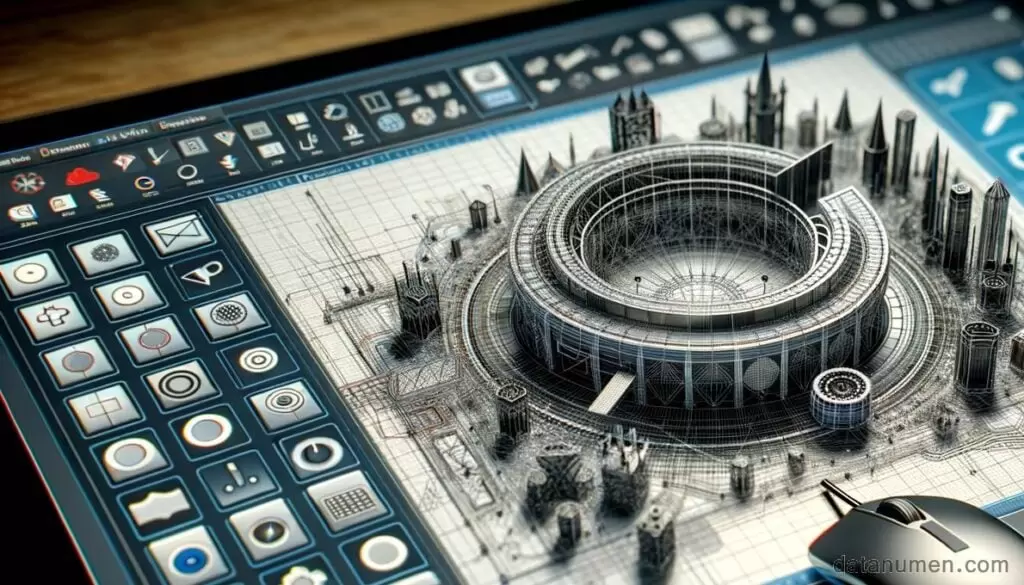
CAD (Computer-Aided Design) is a computer-based design technology that enables engineers and designers to create highly accurate 2D technical drawings and 3D models. Instead of manual drafting, CAD software allows users to simulate a product’s shape, dimensions, structure, and functionality from the early concept stage.
Today, CAD software is widely applied across various industries, including:
- Mechanical engineering and manufacturing
- Mold and tooling design
- Automotive and aerospace industries
- Electrical and electronics engineering
- Industrial equipment and machinery design
CAD is not merely a drafting tool; it serves as a critical foundation within the CAD / CAM / CAE / PLM ecosystem of modern manufacturing enterprises.
2. Practical Applications of CAD in Manufacturing and Engineering
2.1 CAD in Product Design
One of the most common applications of CAD is industrial product design. Through 2D drawings and 3D models, CAD enables:
- Creating precise designs that comply with technical standards
- Easily modifying, optimizing, and reusing designs
- Visualizing products before actual production
These capabilities help businesses reduce design errors and improve product quality from the early stages of development.
Typical CAD software: CATIA Design, SolidWorks, Siemens NX

2.2 CAD in Engineering Simulation and Analysis (CAE)
When combined with CAE tools, CAD enables engineers to:
- Analyze strength, stress, and deformation
- Simulate motion, thermal behavior, and fluid flow
- Detect potential engineering risks at an early stage
As a result, companies can minimize physical prototyping, reduce costs, and shorten product development cycles.
Typical CAE software: CATIA Analysis, SIMULIA, Ansys
2.3 CAD in Manufacturing and Machining (CAM, CNC)
CAD data serves as the foundation for CAM implementation and CNC machining, enabling:
- Accurate toolpath programming
- Seamless consistency between design and manufacturing
- Reduced machining errors and material waste
This CAD application is especially critical in precision machining and mass production environments.
Typical CAM software: CAMTOOL, CATIA Machining, Mastercam
2.4 CAD in Mold, Jig, and Fixture Design
In the tooling and mold-making industry, CAD supports:
- Design of injection molds, stamping dies, and casting molds
- Design of jigs and fixtures for machining and assembly
- Verification of mold assembly and disassembly feasibility
Applying CAD helps shorten mold development time and improve production stability.
Typical mold design software: CADmeister, CATIA Mold, NX Mold
2.5 CAD in Digital Transformation and Smart Manufacturing (AI & Industry 4.0)
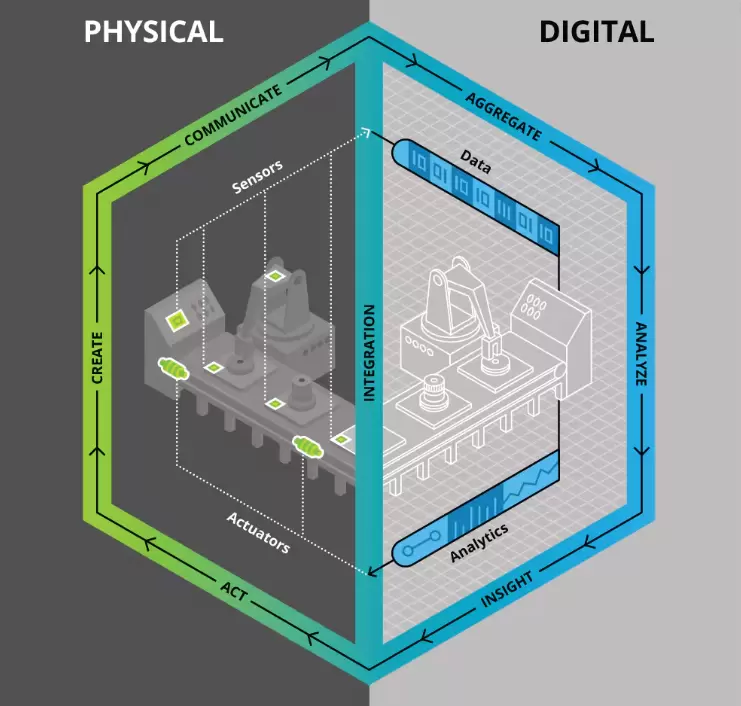
In the era of digital transformation, CAD no longer operates independently but is integrated with AI and digital platforms such as PLM, MES, and ERP.
The integration of CAD and AI delivers significant value:
- AI-assisted design optimization and data-driven design recommendations
- Automatic detection of design errors and technical conflicts
- Support for Digital Twin development and smart manufacturing models
As a result, businesses can reduce design time, improve accuracy, and accelerate time-to-market.
Supporting digital transformation tools: CADdoctor, PLM platforms (e.g. 3DEXPERIENCE)
3. Benefits of Implementing CAD in Businesses
Deploying CAD software delivers a wide range of tangible benefits, including:
- Shortened design and product development cycles
- Reduced manufacturing and prototyping costs
- Improved quality, accuracy, and consistency
- Enhanced collaboration across departments
- Strong support for digital transformation and smart manufacturing
CAD not only helps businesses optimize engineering workflows but also serves as a strategic tool to strengthen overall competitiveness.
4. Conclusion
In the context of modern manufacturing and Industry 4.0, the effective application of CAD is a key factor in improving productivity, quality, and innovation capability. Investing in the right CAD solutions—integrated with AI and digital platforms—creates a solid foundation for sustainable growth in the future.
If your company is looking for the right CAD/CAM/CAE solutions to optimize design, improve manufacturing efficiency, and accelerate digital transformation, feel free to contact us for tailored consultation based on your actual needs.
Related posts

AI in R&D: What Should Companies Prepare for Effective Implementation?

Can AI Replace Design Engineers? The Future of AI in Engineering

Why Companies Still Experience Errors After Investing in CAD

How to Shorten Product Development Time: 5 Critical Factors Companies Often Overlook