













Discover the Generative Design approach with 3DEXPERIENCE CATIA.
How can we continuously optimize materials and improve products? What methods can simplify the design phase and help engineers avoid time-consuming repetitive work?
INTRODUCTION
In today’s increasingly competitive market, a slow and methodical approach to design is no longer suitable. Designers face faster design cycles and more demanding requirements. Products must be lighter, cheaper, more aesthetic, and more efficient than those of competitors. Designers must go beyond traditional workflows to think creatively and quickly. Until recently, however, traditional design tools began to hinder designers.
The traditional approach used by mechanical engineers or designers is to imagine a shape—or several shapes—that meet certain criteria, sketch them on paper, and then detail the shape using their CAD software.
The question is: have all possible shapes been considered? Is the final design truly optimal in terms of weight, cost, and other target objectives using this traditional method?

WHAT IS GENERATIVE DESIGN?
Generative design is considered an umbrella term for computational techniques that assist in the design process. Conceptually, it represents the use of algorithmic methods to rapidly and automatically convert requirements, constraints, and the design space into the most feasible shapes.
Instead of starting from a blank sheet and a sketch, the idea begins with specifications: you have a defined space, you know the forces and loads, the required material (steel, aluminum, polymers, etc.), and the boundary conditions applied to the design space. Generating a design concept from these specifications significantly simplifies the overall process.
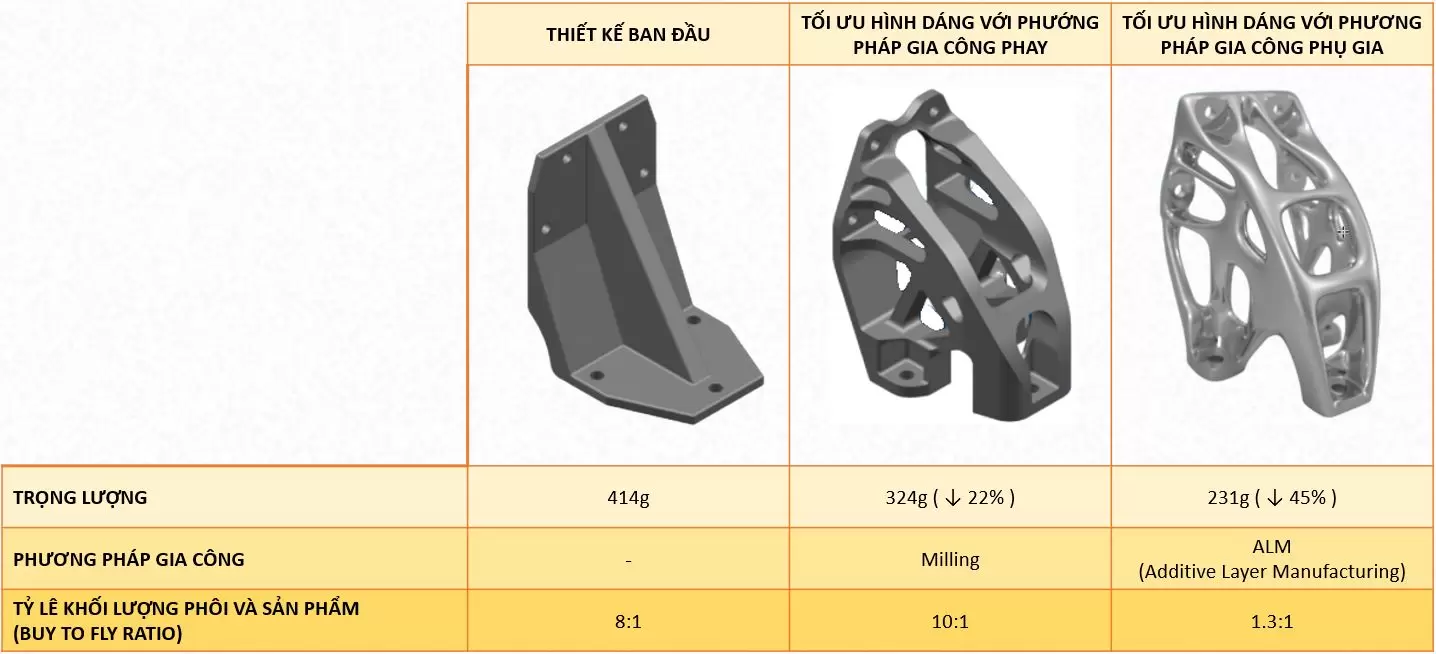
Moreover, depending on the manufacturing process you choose for the part (casting, forging, milling, additive manufacturing), generative design allows you to adjust the shape so it meets the constraints imposed by that chosen process.
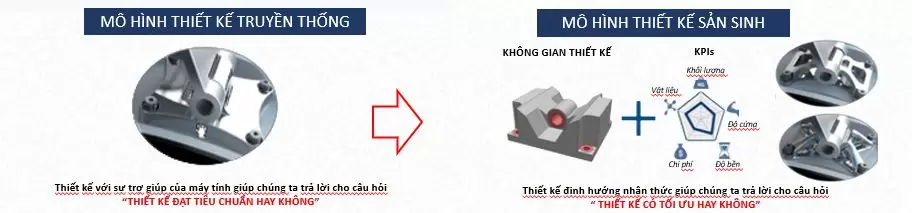
Generative design enables you to explore and validate multiple design options through simulation, allowing you to make the most informed decisions about weight reduction and performance optimization. It can generate shapes that would be impossible to achieve using traditional design methods.
Related posts

AI in R&D: What Should Companies Prepare for Effective Implementation?

Is Virtual Twin Worth the Investment? Where Does ROI Come From and How Can It Be Measured?

Can AI Replace Design Engineers? The Future of AI in Engineering

When Does Your Business Need PLM? 7 Signs to Look For